

Oxygen absorbers are widely used in food storage to extend the shelf life of products by removing oxygen from the packaging. However, a common question that arises is whether these oxygen absorbers work effectively in high - temperature food storage. As a supplier of O2 absorbers in food, I will delve into this topic, exploring the science behind oxygen absorbers, how high temperatures affect their performance, and providing practical advice for food storage in such conditions.
How Oxygen Absorbers Work
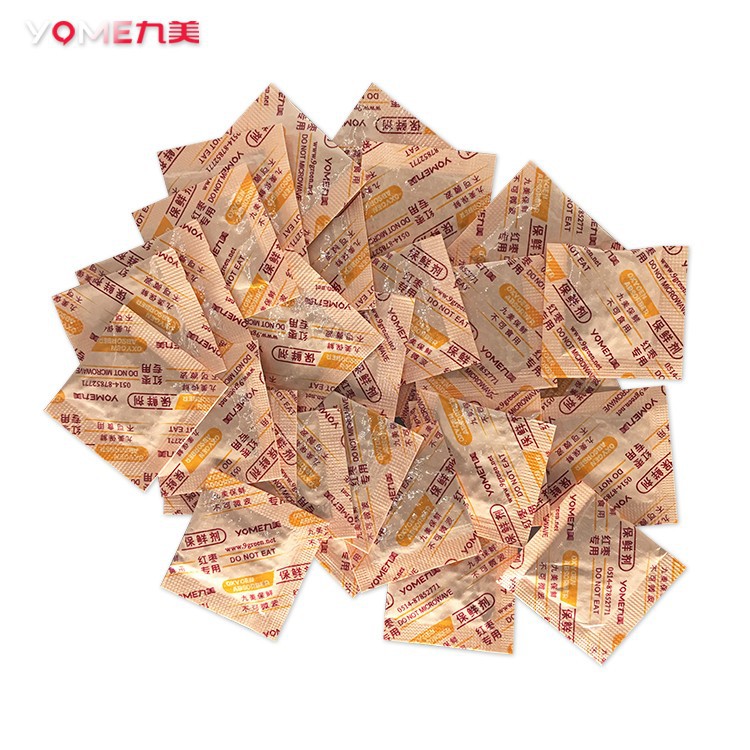
Before discussing their performance in high - temperature environments, it's crucial to understand how oxygen absorbers function. Oxygen absorbers typically contain iron powder, which reacts with oxygen in the presence of moisture to form iron oxide. This chemical reaction effectively removes oxygen from the surrounding environment, creating an oxygen - free or low - oxygen space inside the food package.
The process is simple yet highly effective. When placed in a sealed container with food, the oxygen absorber starts to absorb oxygen immediately. As the oxygen level decreases, the growth of aerobic microorganisms such as mold, bacteria, and yeast is inhibited. Additionally, oxidation reactions that can cause food to spoil, such as rancidity in fats and oils, color changes, and loss of flavor, are also significantly reduced.
Impact of High Temperatures on Oxygen Absorbers
High temperatures can have both positive and negative effects on the performance of oxygen absorbers.
Positive Effects
In some cases, higher temperatures can accelerate the chemical reaction between iron powder and oxygen. This means that the oxygen absorber may work faster at high temperatures, reducing the oxygen level in the package more quickly. For example, in a warm storage environment, the initial absorption rate of an oxygen absorber might be higher compared to a cooler setting. This can be beneficial for food products that are particularly sensitive to oxygen and need rapid oxygen removal.
Negative Effects
However, high temperatures also pose several challenges to oxygen absorbers. Firstly, excessive heat can cause the moisture inside the oxygen absorber to evaporate. Since moisture is essential for the oxidation reaction of iron powder, a lack of moisture can slow down or even stop the oxygen absorption process.
Secondly, high temperatures can affect the physical properties of the packaging materials. If the packaging becomes more permeable to oxygen at high temperatures, it can allow more oxygen to enter the package, counteracting the efforts of the oxygen absorber. Moreover, some packaging materials may deform or break under high - temperature conditions, further compromising the effectiveness of the oxygen absorber.
Finally, extremely high temperatures can cause the oxygen absorber to reach its maximum capacity more quickly. Once an oxygen absorber has absorbed all the oxygen it can, it becomes saturated and stops working. In a high - temperature environment, this saturation point may be reached faster, reducing the overall lifespan of the oxygen absorber.
Testing the Performance of Oxygen Absorbers at High Temperatures
To determine how well oxygen absorbers work in high - temperature food storage, various tests can be conducted. These tests typically involve placing food products with oxygen absorbers in sealed containers and subjecting them to different temperature conditions.
One common test is to measure the oxygen level inside the package over time. Using an oxygen analyzer, the oxygen concentration can be monitored at regular intervals. By comparing the results from different temperature settings, it is possible to evaluate the effectiveness of the oxygen absorber at high temperatures.

Another approach is to assess the quality of the food product itself. Parameters such as color, flavor, texture, and microbial growth can be analyzed to determine how well the oxygen absorber has protected the food from spoilage.
Our Oxygen Absorber Products and Their Performance at High Temperatures
As a supplier of O2 absorbers in food, we offer a range of products designed to meet different storage needs, including high - temperature environments.
- Yome - I Color Change Oxygen Absorbers: These oxygen absorbers are equipped with a color - change indicator, which allows users to easily monitor the status of oxygen absorption. They are formulated to work effectively in a wide range of temperatures. Even at moderately high temperatures, they can maintain a relatively stable oxygen absorption rate. The color - change feature provides a visual cue, indicating when the absorber is still active or has reached its saturation point.
- Yome - B Double Absorption Type: This product is designed for enhanced oxygen absorption. It has a unique double - absorption mechanism that can quickly and efficiently remove oxygen from the package. In high - temperature conditions, its double - absorption design helps to compensate for the potential loss of absorption efficiency due to heat. It is suitable for food products that require long - term storage in warm environments.
- Absorbing Oxygen and Carbon: In addition to oxygen, this oxygen absorber can also absorb carbon dioxide. This dual - function feature is particularly useful in high - temperature food storage, as carbon dioxide can also contribute to food spoilage. By removing both oxygen and carbon dioxide, it provides an extra layer of protection for food products.
Practical Tips for Using Oxygen Absorbers in High - Temperature Food Storage
If you are using oxygen absorbers for high - temperature food storage, here are some practical tips to ensure their effectiveness:
- Choose the Right Oxygen Absorber: Select an oxygen absorber that is specifically designed for high - temperature applications. Consider factors such as absorption capacity, speed, and the type of food product you are storing.
- Proper Packaging: Use high - quality packaging materials that are resistant to high temperatures and have low oxygen permeability. Ensure that the packaging is properly sealed to prevent oxygen from entering.
- Monitor the Temperature: Try to keep the storage temperature as stable as possible. Avoid sudden temperature fluctuations, as they can affect the performance of the oxygen absorber. If necessary, use temperature - controlled storage facilities.
- Check the Oxygen Absorber Regularly: Monitor the status of the oxygen absorber using the color - change indicator (if available) or by measuring the oxygen level inside the package. Replace the oxygen absorber if it has reached its saturation point.
Conclusion
In conclusion, oxygen absorbers can work in high - temperature food storage, but their performance may be affected by various factors. While high temperatures can sometimes accelerate the oxygen absorption process, they can also cause challenges such as moisture loss, packaging issues, and faster saturation. As a supplier of O2 absorbers in food, we offer a range of products that are designed to perform well in high - temperature environments. By choosing the right oxygen absorber, using proper packaging, and following practical tips, you can effectively use oxygen absorbers to extend the shelf life of your food products even in high - temperature conditions.
If you are interested in our oxygen absorber products or have any questions about high - temperature food storage, please feel free to contact us for further discussion and procurement negotiation. We are committed to providing you with the best solutions for your food storage needs.
References
- Labuza, T. P., & Breene, W. M. (1989). Oxygen and its role in food quality. Food Technology, 43(3), 110 - 122.
- Rooney, M. L. (1995). Oxygen scavengers and absorbers. In Modified atmosphere packaging of foods (pp. 207 - 228). Blackie Academic & Professional.
- Taoukis, P. S., & Labuza, T. P. (1989). Shelf - life evaluation of foods. Van Nostrand Reinhold.