

Can oxygen absorbers be used in food storage? You bet they can! As a supplier of oxygen absorbers, I've seen firsthand how these little wonders can revolutionize the way we store food. In this blog post, I'll share with you the ins and outs of using oxygen absorbers in food storage, including what they are, how they work, and the benefits they offer.

What are oxygen absorbers?
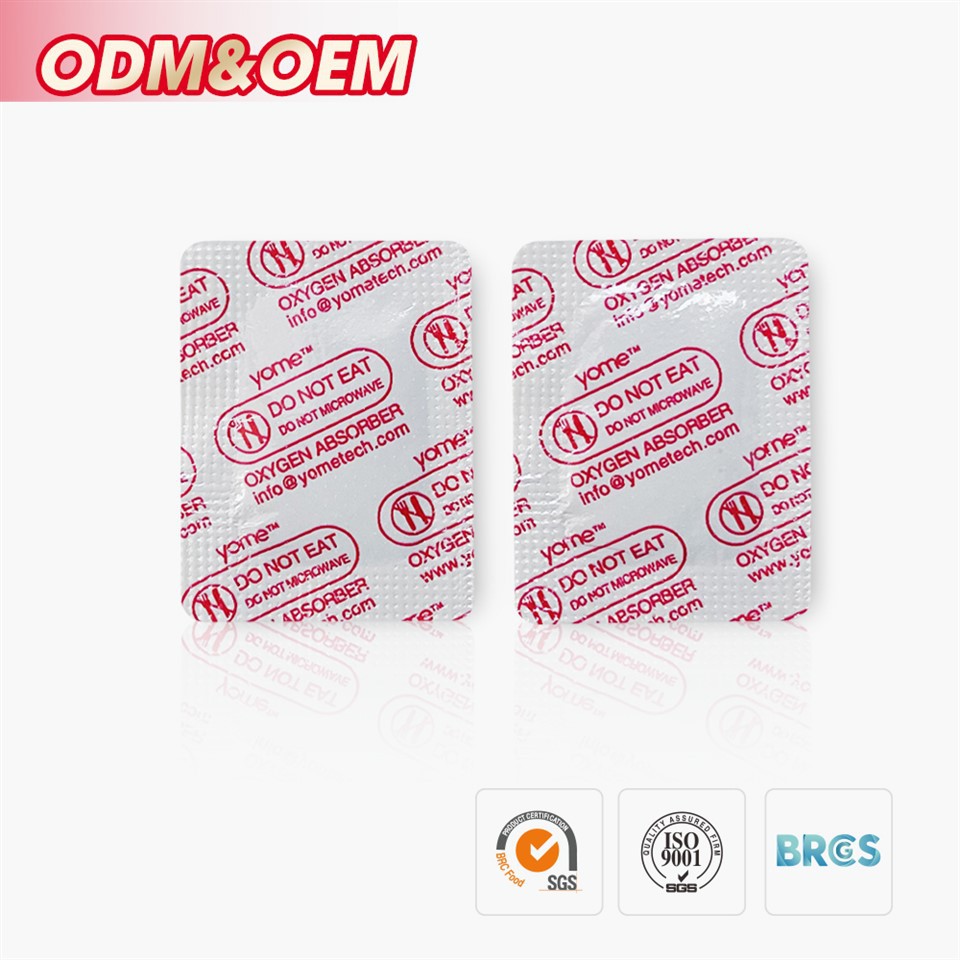
Oxygen absorbers are small packets or sachets that contain a substance capable of removing oxygen from the surrounding environment. The most common type of oxygen absorber contains iron powder, which reacts with oxygen to form iron oxide. This reaction effectively reduces the oxygen level inside a sealed container, creating an environment that is inhospitable to mold, bacteria, and other spoilage organisms.
There are also other types of oxygen absorbers available, such as None Iron Oxygen Absorber, which use alternative materials to absorb oxygen. These can be a great option for those with specific dietary restrictions or for use in certain types of food products.
How do oxygen absorbers work?
When you place an oxygen absorber inside a sealed container with food, it starts to work immediately. The iron powder or other oxygen-absorbing material reacts with the oxygen in the air, binding it and removing it from the container. As the oxygen level drops, the growth of aerobic (oxygen-dependent) microorganisms is inhibited, which helps to preserve the quality and freshness of the food.
The rate at which an oxygen absorber works can vary depending on several factors, including the size of the container, the amount of oxygen present, and the type of oxygen absorber used. Some oxygen absorbers, like Faster Reaction Oxygen Absorber, are designed to work more quickly, making them ideal for situations where you need to reduce the oxygen level rapidly.
Benefits of using oxygen absorbers in food storage
- Extended shelf life: By removing oxygen from the storage environment, oxygen absorbers can significantly extend the shelf life of many types of food. This means you can buy in bulk, save money, and reduce food waste.
- Preservation of flavor and nutrients: Oxygen can cause food to oxidize, which can lead to a loss of flavor, color, and nutrients. Oxygen absorbers help to prevent this oxidation process, keeping your food tasting and looking its best.
- Prevention of mold and bacteria growth: As mentioned earlier, oxygen is necessary for the growth of many types of mold and bacteria. By reducing the oxygen level, oxygen absorbers create an environment that is less conducive to the growth of these spoilage organisms, helping to keep your food safe to eat.
- Versatility: Oxygen absorbers can be used with a wide variety of food products, including grains, nuts, dried fruits, spices, and even some types of meats and cheeses. They are also suitable for use in different types of storage containers, such as plastic bags, glass jars, and metal cans.
How to use oxygen absorbers in food storage
Using oxygen absorbers in food storage is relatively simple. Here's a step-by-step guide:
- Choose the right size oxygen absorber: The size of the oxygen absorber you need will depend on the volume of the container and the amount of oxygen you want to remove. As a general rule, you'll need one oxygen absorber for every 1 to 5 gallons of storage space.
- Prepare your food and storage container: Make sure your food is clean and dry before placing it in the storage container. If you're using a plastic bag, you may want to use a heat sealer to ensure a tight seal.
- Place the oxygen absorber inside the container: Open the oxygen absorber packet and place it inside the container with the food. Try to position it so that it is in contact with the air inside the container.
- Seal the container: Once the oxygen absorber is in place, seal the container tightly. Make sure there are no air leaks.
- Store the container in a cool, dry place: Oxygen absorbers work best in a cool, dry environment. Avoid storing your food containers in areas that are exposed to heat, moisture, or direct sunlight.
Tips for using oxygen absorbers effectively
- Keep oxygen absorbers sealed until ready to use: Oxygen absorbers start to work as soon as they are exposed to air. To ensure their effectiveness, keep them sealed in their original packaging until you're ready to use them.
- Use oxygen absorbers in combination with other storage methods: While oxygen absorbers can be very effective on their own, they work even better when used in combination with other storage methods, such as vacuum sealing or refrigeration.
- Check the oxygen absorber regularly: Over time, the oxygen absorber may become saturated with oxygen and stop working. Check the oxygen absorber periodically to make sure it is still functioning properly. If it appears to be saturated, replace it with a new one.
Different types of oxygen absorbers for food storage
As I mentioned earlier, there are different types of oxygen absorbers available, each with its own unique features and benefits. Here are some of the most common types:
- Self-adhesive Oxygen Absorber: These oxygen absorbers come with a self-adhesive backing, which makes them easy to attach to the inside of a storage container. This can be a convenient option if you're using a plastic bag or other flexible storage container. You can find more information about Self-adhesive Oxygen Absorber on our website.
- Faster Reaction Oxygen Absorber: As the name suggests, these oxygen absorbers are designed to work more quickly than standard oxygen absorbers. They are ideal for use in situations where you need to reduce the oxygen level rapidly, such as when storing perishable foods.
- None Iron Oxygen Absorber: These oxygen absorbers use alternative materials to absorb oxygen, making them a great option for those with specific dietary restrictions or for use in certain types of food products.
Frequently asked questions about oxygen absorbers
- Are oxygen absorbers safe to use with food? Yes, oxygen absorbers are generally considered safe to use with food. The materials used in oxygen absorbers are non-toxic and are approved for use in food packaging. However, it's important to follow the manufacturer's instructions and not to ingest the oxygen absorber packet.
- Can oxygen absorbers be reused? No, oxygen absorbers are designed for single use only. Once they have absorbed all the oxygen they can, they become saturated and need to be replaced.
- How long do oxygen absorbers last? The lifespan of an oxygen absorber depends on several factors, including the type of oxygen absorber, the storage conditions, and the amount of oxygen present. In general, oxygen absorbers can last anywhere from a few months to a few years.
Conclusion
In conclusion, oxygen absorbers are a valuable tool for anyone who wants to extend the shelf life of their food, preserve its flavor and nutrients, and prevent the growth of mold and bacteria. As a supplier of oxygen absorbers, I'm confident that our products can meet your food storage needs. Whether you're a home cook, a small business owner, or a large-scale food manufacturer, we have the right oxygen absorber for you.
If you're interested in learning more about our oxygen absorbers or would like to place an order, please don't hesitate to contact us. We'd be happy to answer any questions you may have and help you find the best solution for your food storage needs.
References
- "Food Storage and Preservation." University of Minnesota Extension.
- "Oxygen Absorbers: How They Work and Why You Need Them." The Spruce Eats.