

Can I use a Non-Iron Oxygen Absorber for storing photos?
As a supplier of Non-Iron Oxygen Absorbers, I often get asked about the various applications of our products. One question that has come up more frequently lately is whether a Non-Iron Oxygen Absorber can be used for storing photos. In this blog post, I'll delve into the science behind photo preservation, the role of oxygen in photo degradation, and how Non-Iron Oxygen Absorbers can be a game-changer in this regard.
The Science of Photo Preservation
Photos are not just pieces of paper with images; they are precious memories that we want to last a lifetime. However, over time, photos can fade, discolor, and become brittle. This degradation is primarily due to three factors: light, heat, and oxygen.
Light, especially ultraviolet (UV) light, can break down the dyes and pigments in photos, causing them to fade. Heat can accelerate chemical reactions within the photo, leading to discoloration and embrittlement. Oxygen, on the other hand, is a silent culprit. It reacts with the organic materials in photos, such as the paper and the dyes, through a process called oxidation. Oxidation can cause yellowing, browning, and the formation of mold and mildew.
The Role of Oxygen in Photo Degradation
Oxygen is present in the air we breathe, and it can easily penetrate the storage containers where we keep our photos. Once inside, it starts to react with the components of the photo. For example, the cellulose fibers in paper can oxidize, making the paper more brittle and prone to tearing. The dyes in the photo can also react with oxygen, leading to color changes and fading.
In addition to direct oxidation, oxygen can also support the growth of microorganisms such as mold and mildew. These organisms thrive in moist, oxygen-rich environments, and they can cause significant damage to photos. They can leave behind stains, discoloration, and even eat away at the paper.
How Non-Iron Oxygen Absorbers Work
Non-Iron Oxygen Absorbers are designed to remove oxygen from an enclosed space. Unlike traditional iron-based oxygen absorbers, which rely on the oxidation of iron to absorb oxygen, non-iron oxygen absorbers use other chemical compounds. These compounds react with oxygen in a controlled manner, effectively reducing the oxygen level in the storage container.
By removing oxygen, Non-Iron Oxygen Absorbers create an environment that is hostile to oxidation and microbial growth. This helps to slow down the degradation process and preserve the quality of the photos for a longer period. They are also non-toxic and safe to use around photos, as they do not produce any harmful by-products.
Advantages of Using Non-Iron Oxygen Absorbers for Photo Storage
- Prevent Oxidation: As mentioned earlier, oxidation is one of the main causes of photo degradation. Non-Iron Oxygen Absorbers can significantly reduce the oxygen level in the storage container, minimizing the risk of oxidation and its associated problems.
- Suppress Microbial Growth: Mold and mildew can be a major problem for photo storage. By creating an oxygen-free environment, Non-Iron Oxygen Absorbers can prevent the growth of these microorganisms, keeping the photos clean and free from damage.
- Long-Term Preservation: Photos are often stored for decades or even generations. Non-Iron Oxygen Absorbers can help to ensure that these precious memories remain in good condition for as long as possible.
- Safe and Non-Toxic: Non-Iron Oxygen Absorbers are made from non-toxic materials, making them safe to use around photos. They do not produce any harmful fumes or residues that could damage the photos.
Types of Non-Iron Oxygen Absorbers for Photo Storage
At our company, we offer a range of Non-Iron Oxygen Absorbers that are suitable for photo storage. Here are some of the types we provide:
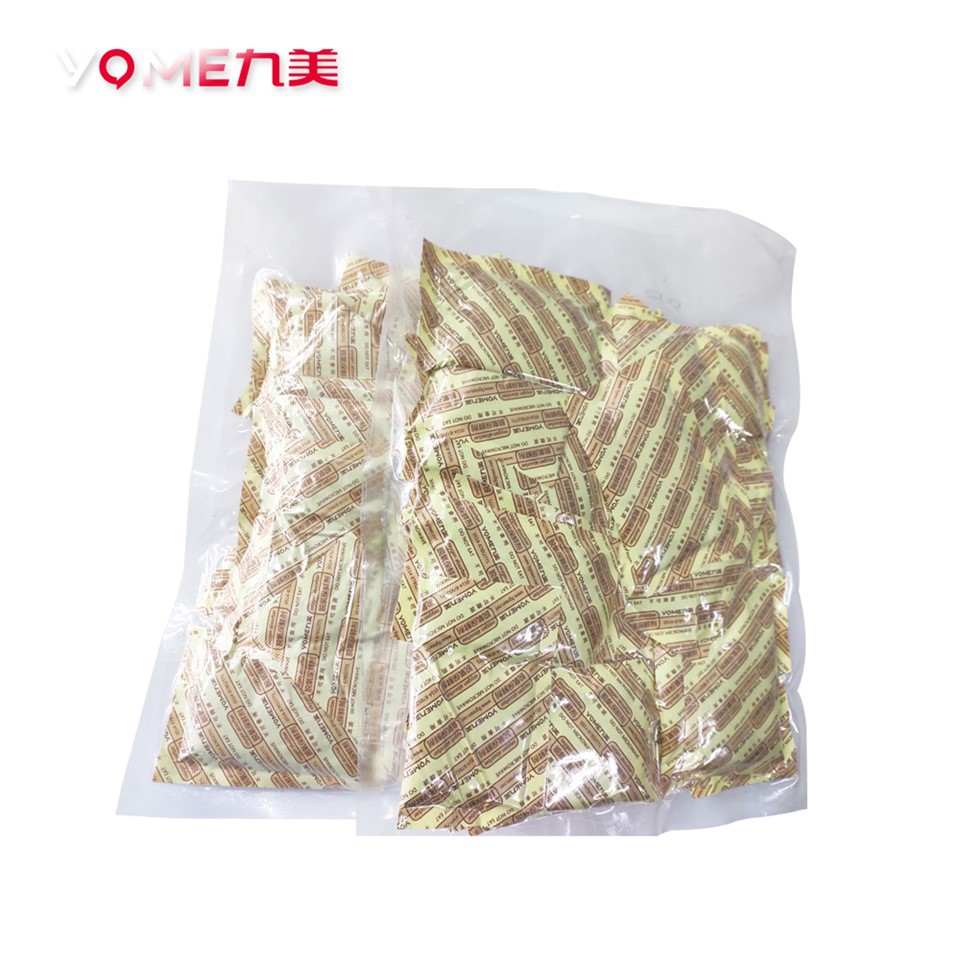

- Reel Type Oxygen Absorber: These oxygen absorbers come in a reel form, which makes them easy to cut and use in different-sized storage containers. They are ideal for large-scale photo storage applications.
- Self-adhesive Oxygen Absorber: As the name suggests, these oxygen absorbers have a self-adhesive backing, which allows them to be easily attached to the inside of the storage container. They are convenient to use and can be placed in hard-to-reach areas.
- Food Safe Oxygen Absorbers: Although designed for food storage, these oxygen absorbers are also suitable for photo storage. They are made from food-grade materials, ensuring that they are safe to use around photos.
How to Use Non-Iron Oxygen Absorbers for Photo Storage
Using Non-Iron Oxygen Absorbers for photo storage is relatively simple. Here are the steps you can follow:
- Choose the Right Container: Select a storage container that is airtight and made from a material that is suitable for photo storage, such as plastic or glass.
- Place the Photos in the Container: Carefully place the photos in the container, making sure they are not overcrowded. You can use photo sleeves or acid-free paper to protect the photos.
- Add the Oxygen Absorber: Depending on the size of the container, add the appropriate number of Non-Iron Oxygen Absorbers. Follow the instructions provided by the manufacturer for the correct dosage.
- Seal the Container: Once the oxygen absorber is added, seal the container tightly to prevent air from entering.
- Store the Container in a Cool, Dark Place: To further protect the photos, store the container in a cool, dark place away from direct sunlight and heat sources.
Conclusion
In conclusion, using a Non-Iron Oxygen Absorber for storing photos is a great way to protect your precious memories from degradation. By removing oxygen from the storage environment, these oxygen absorbers can prevent oxidation, suppress microbial growth, and ensure long-term preservation.
If you are interested in purchasing Non-Iron Oxygen Absorbers for photo storage or have any questions about our products, please feel free to contact us. We are a leading supplier of Non-Iron Oxygen Absorbers, and we are committed to providing high-quality products and excellent customer service. Let us help you preserve your photos for generations to come.
References
- American Institute for Conservation of Historic and Artistic Works. (n.d.). "Care and Storage of Photographs."
- National Archives and Records Administration. (n.d.). "Preserving Photographs."
- Eastman Kodak Company. (n.d.). "Photographic Preservation Guidelines."