

Hey there! As a supplier of oxygen absorbers for food, I often get asked about the recommended quantity of oxygen absorbers for different types of food. It's a crucial question because using the right amount can significantly extend the shelf life of your food products, keeping them fresh, flavorful, and safe to consume. So, let's dive into this topic and break it down.
Understanding the Basics of Oxygen Absorbers
First off, what are oxygen absorbers? Well, they're little packets that contain iron powder and other components. When exposed to oxygen, a chemical reaction occurs, and the iron oxidizes, effectively removing oxygen from the surrounding environment. This is super important for food storage because oxygen can cause all sorts of problems, like spoilage, mold growth, and the loss of flavor and nutrients.
Now, the amount of oxygen absorbers you need depends on several factors. The most important ones are the volume of the container, the type of food, and how long you plan to store it.
Calculating Based on Container Volume
The volume of the container is a key factor. Generally, you want to match the oxygen absorber's capacity to the volume of the container. Oxygen absorbers are rated in cubic centimeters (cc) or milliliters (ml) of oxygen they can absorb. For example, a 100 cc oxygen absorber can absorb up to 100 cc of oxygen.

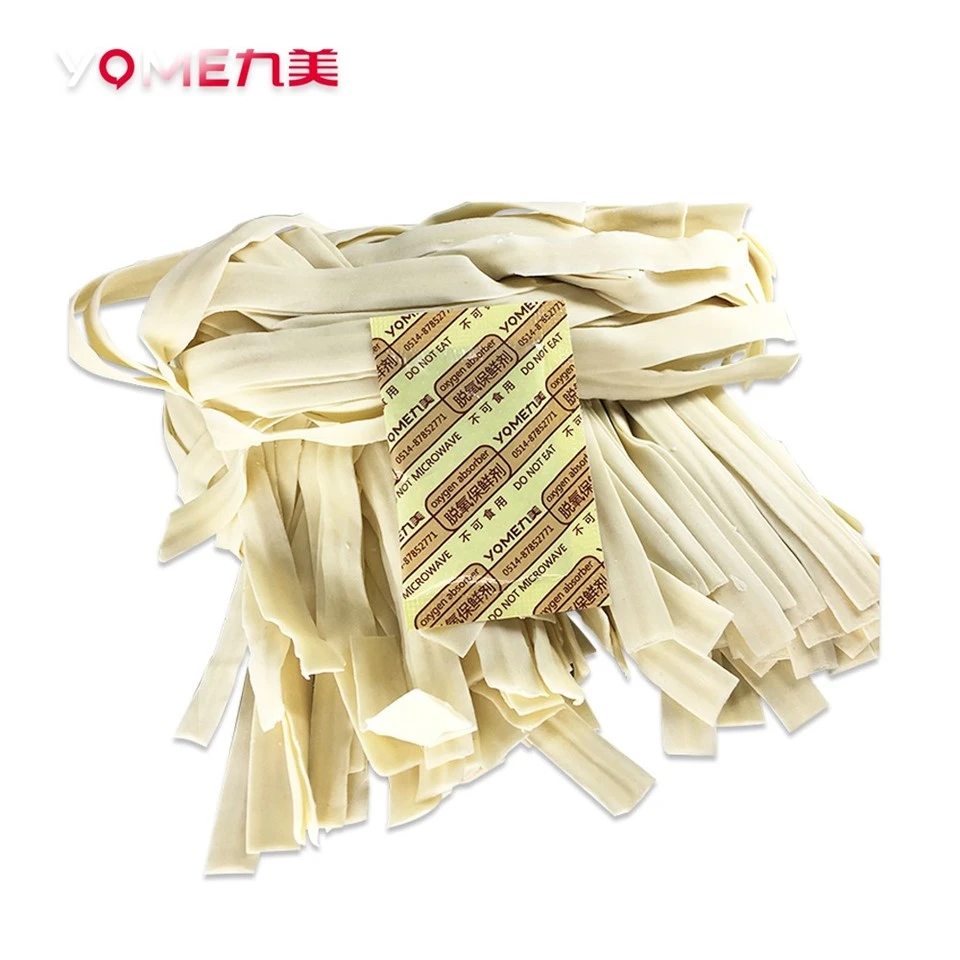
Let's say you have a small container with a volume of 500 cc. A 100 cc oxygen absorber might be sufficient for short - term storage. But if you're planning to store the food for a long time, you might want to use a 200 cc or even a 300 cc absorber to ensure all the oxygen is removed.
For larger containers, like 5 - gallon buckets (which are about 18,927 cc), you'll need multiple oxygen absorbers. You could use several 500 cc or 1000 cc absorbers to get the job done.
Considering the Type of Food
Different types of food have different oxygen requirements. Foods that are high in fat, like nuts and seeds, are more prone to oxidation. Oxidation can cause them to go rancid, which not only affects the taste but also makes them less healthy. For these types of foods, you'll want to use a higher quantity of oxygen absorbers.
On the other hand, dry grains and cereals are a bit more forgiving. They can tolerate a slightly higher level of oxygen for a longer period. But even so, using oxygen absorbers will still extend their shelf life and keep them in better condition.
For example, if you're storing a bag of almonds, which are high in fat, you might want to use a 300 cc oxygen absorber for a one - pound bag. But for a one - pound bag of rice, a 100 cc absorber could be enough for short - to medium - term storage.
Storage Duration
How long you plan to store the food also matters. If it's just for a few weeks or months, you might be able to get away with using a smaller quantity of oxygen absorbers. But for long - term storage, say a year or more, you'll want to use a larger quantity to ensure that the oxygen level remains low throughout the storage period.
Specific Examples
Let's look at some common food items and the recommended quantity of oxygen absorbers:
- Dried fruits: For a one - quart jar of dried fruits, a 200 cc oxygen absorber should do the trick. Dried fruits are prone to mold and spoilage, so it's important to remove as much oxygen as possible. You can find high - quality Food Safe Oxygen Absorbers that are perfect for this type of application.
- Coffee: Coffee beans are sensitive to oxygen, which can cause them to lose their flavor quickly. For a one - pound bag of coffee beans, a 300 cc oxygen absorber is a good choice. The Absorbing Oxygen and Carbon absorbers we offer can also help with removing any carbon dioxide that might be released from the coffee beans.
- Jerky: Jerky is a popular snack, but it can dry out and lose its flavor if exposed to oxygen. For a one - pound pack of jerky, a 200 cc oxygen absorber is recommended. Our Yome - D Dried Type Oxygen Absorbers are great for keeping jerky fresh.
Tips for Using Oxygen Absorbers
- Seal the container properly: No matter how many oxygen absorbers you use, if the container isn't sealed properly, oxygen will keep getting in. Make sure to use air - tight containers and check the seals regularly.
- Handle oxygen absorbers carefully: Oxygen absorbers start working as soon as they're exposed to air. So, open the package right before you're ready to use them and quickly place them in the container.
- Don't reuse oxygen absorbers: Once an oxygen absorber has done its job, it's used up. Reusing it won't be effective in removing oxygen.
Conclusion
Figuring out the recommended quantity of oxygen absorbers for food isn't an exact science, but by considering the container volume, type of food, and storage duration, you can make an informed decision. Using the right amount of oxygen absorbers can make a huge difference in the quality and shelf life of your food products.
If you're in the food industry or just someone who loves to store food at home, we've got the right oxygen absorbers for you. We offer a wide range of oxygen absorbers in different sizes and capacities to meet your specific needs. Whether you're storing a small batch of homemade cookies or a large quantity of commercial food products, we can help you find the perfect solution.
If you're interested in purchasing oxygen absorbers for your food storage needs, don't hesitate to reach out. We're here to assist you with any questions you might have and help you make the best choice for your food products.
References
- "Food Packaging: Principles and Practice" by Yam, K. L.
- "Handbook of Food Preservation" by Rahman, M. S.