

When it comes to preserving food, one of the most effective tools at our disposal is the oxygen absorber. As a leading supplier of O2 absorbers for food, I've witnessed firsthand the transformative impact these little packets can have on food storage. But a question that frequently arises is, "What is the maximum capacity of an O2 absorber for food?" In this blog post, we'll delve into this question, exploring the factors that influence an oxygen absorber's capacity and how to choose the right one for your food storage needs.
Understanding Oxygen Absorbers
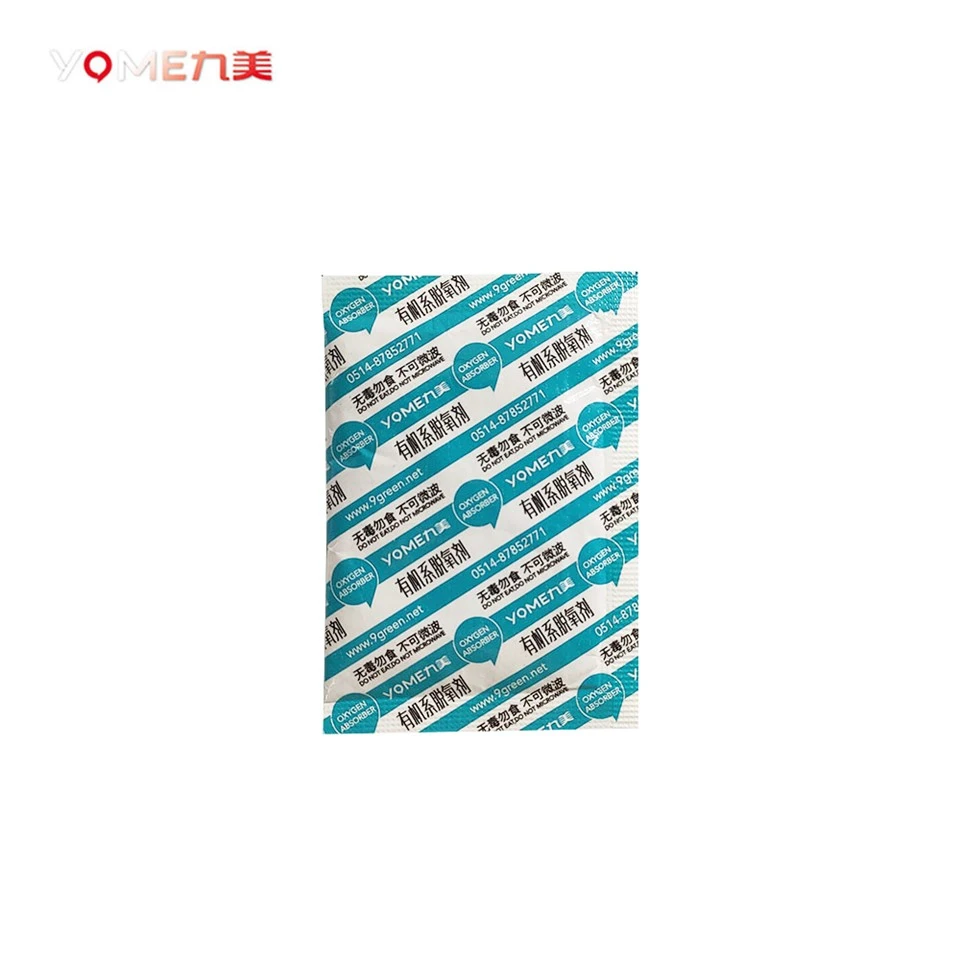
Before we dive into capacity, let's first understand what oxygen absorbers are and how they work. Oxygen absorbers are small packets or sachets filled with iron powder and other components that react with oxygen. When placed in a sealed container with food, these absorbers remove oxygen from the environment, creating an anaerobic (oxygen-free) environment. This helps to prevent the growth of aerobic bacteria, mold, and fungi, as well as slow down the oxidation process that can cause food to spoil, lose flavor, and nutrients.
Factors Affecting the Maximum Capacity of an O2 Absorber
The maximum capacity of an O2 absorber is determined by several factors, including:
1. Size and Type of the Absorber
Oxygen absorbers come in various sizes and types, each with a different capacity to absorb oxygen. The most common types are iron-based absorbers, which are highly effective at removing oxygen from the air. The size of the absorber is typically measured in cubic centimeters (cc) or milliliters (ml) of oxygen it can absorb. For example, a 100 cc oxygen absorber can remove up to 100 cc of oxygen from the environment.
2. Volume of the Container
The volume of the container in which the oxygen absorber is placed also plays a crucial role in determining its maximum capacity. A larger container will require a larger oxygen absorber to effectively remove all the oxygen. As a general rule of thumb, you should use an oxygen absorber with a capacity that is at least equal to the volume of the container. For instance, if you have a quart-sized jar (approximately 946 ml), you would need an oxygen absorber with a capacity of at least 946 cc.
3. Type of Food
Different types of food have different oxygen requirements. Foods that are high in fat or oil, such as nuts and seeds, are more prone to oxidation and require a higher oxygen absorber capacity. On the other hand, dry foods like grains and pasta have a lower oxygen demand and may require a smaller absorber.
4. Storage Conditions
The storage conditions, such as temperature and humidity, can also affect the performance of an oxygen absorber. Higher temperatures and humidity levels can accelerate the oxidation process and reduce the effectiveness of the absorber. Therefore, it's important to store food in a cool, dry place to maximize the lifespan of the oxygen absorber.
Calculating the Right Oxygen Absorber Capacity
To determine the right oxygen absorber capacity for your food storage needs, you can follow these steps:
Step 1: Measure the Volume of the Container
Use a measuring cup or a ruler to measure the volume of the container in cubic centimeters (cc) or milliliters (ml). If you're using a standard container, such as a quart jar, you can find the volume online or on the product label.

Step 2: Consider the Type of Food
As mentioned earlier, different types of food have different oxygen requirements. Refer to the guidelines provided by the oxygen absorber manufacturer or consult with a food storage expert to determine the appropriate absorber capacity for your specific food.
Step 3: Choose the Right Oxygen Absorber
Based on the volume of the container and the type of food, choose an oxygen absorber with a capacity that meets or exceeds your requirements. You can find a wide range of oxygen absorbers on our website, including Oxygen Absorbers for Quart Jars, Yome-I Self Indicating Oxygen Absorbers, and Yome-T Tablets Oxygen Absorbers.
Benefits of Using the Right Oxygen Absorber Capacity
Using the right oxygen absorber capacity offers several benefits, including:
1. Extended Shelf Life
By removing oxygen from the environment, oxygen absorbers help to extend the shelf life of food. This means you can store food for longer periods without worrying about spoilage or loss of quality.
2. Preservation of Flavor and Nutrients
Oxygen is one of the main factors that contribute to the deterioration of food flavor and nutrients. By eliminating oxygen, oxygen absorbers help to preserve the original taste, aroma, and nutritional value of the food.
3. Prevention of Mold and Bacteria Growth
Aerobic bacteria and mold require oxygen to grow and thrive. By creating an anaerobic environment, oxygen absorbers prevent the growth of these microorganisms, reducing the risk of foodborne illnesses.
Conclusion
In conclusion, the maximum capacity of an O2 absorber for food is determined by several factors, including the size and type of the absorber, the volume of the container, the type of food, and the storage conditions. By understanding these factors and calculating the right oxygen absorber capacity, you can ensure the long-term preservation of your food. As a trusted supplier of O2 absorbers for food, we offer a wide range of high-quality products to meet your specific needs. If you have any questions or need assistance in choosing the right oxygen absorber, please don't hesitate to contact us. We're here to help you make the most of your food storage.
References
- "Oxygen Absorbers: How They Work and Why You Need Them." Food Storage Guy.
- "Choosing the Right Oxygen Absorber for Your Food Storage." Emergency Essentials.
- "The Science of Oxygen Absorbers." USA Emergency Supply.