

Hey there! I'm a supplier of oxygen packets for food, and I've seen firsthand how these little guys can make a big difference in food preservation. One of the most interesting things about oxygen packets is how they can change the color of food. In this blog post, I'm gonna break down the science behind it and share some real - world examples.
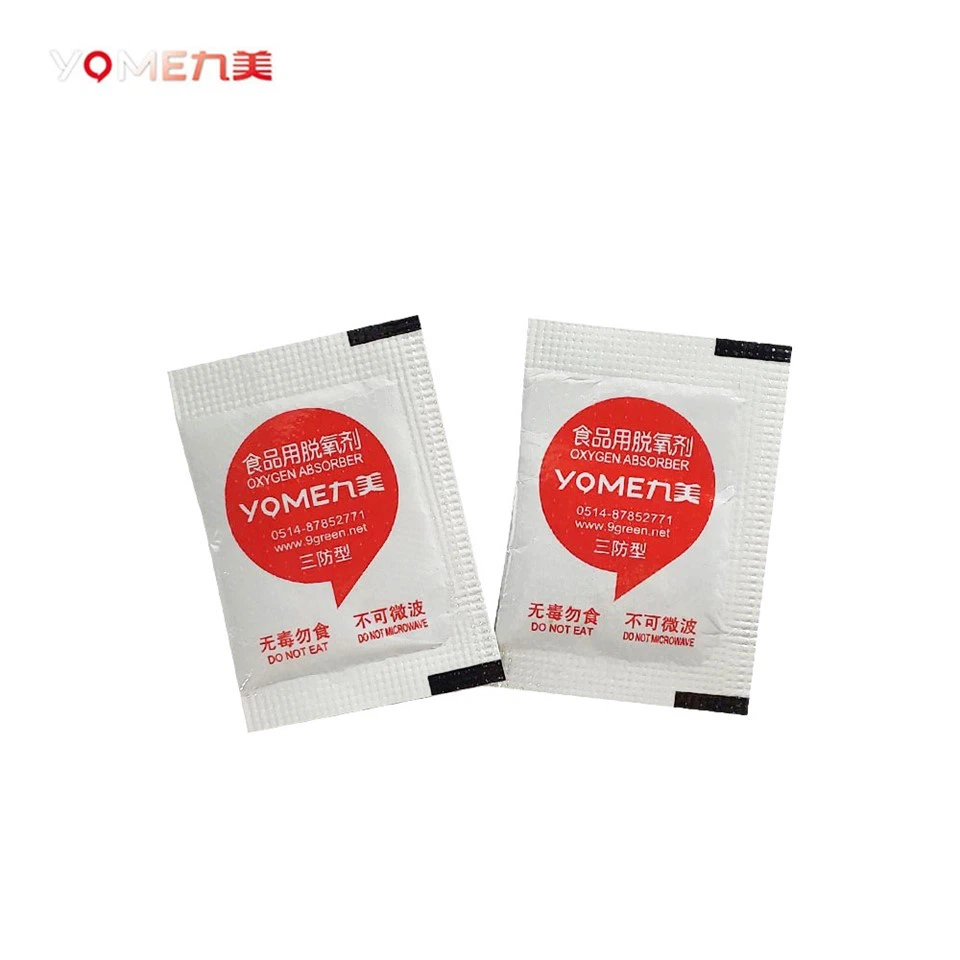
First off, let's understand what oxygen packets are and how they work. Oxygen packets, also known as oxygen absorbers, are small sachets filled with substances that can react with oxygen. The most common ingredient in these packets is iron powder. When the iron powder comes into contact with oxygen and moisture in the air, it undergoes an oxidation reaction. This reaction is pretty simple: iron reacts with oxygen to form iron oxide (rust). The chemical equation is (4Fe + 3O_{2}=2Fe_{2}O_{3}).
Now, you might be wondering how this oxidation reaction in the oxygen packet can affect the color of food. Well, oxygen is a major culprit when it comes to food spoilage and color changes. When food is exposed to oxygen, a bunch of chemical reactions can take place. For example, in fruits and vegetables, enzymes like polyphenol oxidase react with oxygen and phenolic compounds in the food. This reaction, known as enzymatic browning, turns the fresh, bright color of the produce into a dull, brownish hue.
Let's take apples as an example. When you cut an apple, the cells are damaged, and the polyphenol oxidase is released. It then reacts with the oxygen in the air, and within minutes, you can see the cut surface of the apple turning brown. But if you place an oxygen packet in the container with the cut apples, the oxygen level inside the container drops rapidly as the iron in the packet reacts with it. With less oxygen available, the enzymatic browning reaction slows down significantly, and the apples can keep their fresh - looking color for a longer time.
Another way oxygen affects food color is through oxidation of fats and oils. In foods like nuts, seeds, and fatty meats, the unsaturated fatty acids can react with oxygen. This process, called lipid oxidation, not only causes the food to develop an off - flavor but also changes its color. The fats can turn rancid, and the food may take on a yellowish or brownish tint. The presence of an oxygen packet can prevent this oxidation by reducing the oxygen concentration around the food.
Now, let me introduce you to some of the oxygen absorbers we offer. We have the Yome - D Dried Type Oxygen Absorbers. These are great for dry foods like grains, cereals, and dried fruits. They are designed to work efficiently in low - moisture environments and can quickly reduce the oxygen level in the packaging, helping to maintain the original color and quality of the food.
Our Yome - AD Adhesive Oxygen Absorbers are a unique option. They can be easily attached to the inside of food packaging. This is super convenient for manufacturers as it ensures that the oxygen absorber stays in place and can effectively remove oxygen from the immediate vicinity of the food. Whether it's a bag of chips or a box of cookies, these absorbers can help keep the food looking and tasting fresh.
And then there are the Yome - I Color Change Oxygen Absorbers. These are really cool! They change color as they absorb oxygen. This provides a visual indicator of whether the absorber is working properly. When the oxygen level in the packaging is high, the absorber has one color, and as it absorbs oxygen, it changes to a different color. It's a great way for consumers and manufacturers to quickly check the oxygen - absorbing status.
In real - world applications, oxygen packets have been a game - changer for the food industry. Food manufacturers can extend the shelf - life of their products and maintain the visual appeal of the food. Retailers can display products for longer periods without worrying about the food looking unappetizing due to color changes. And consumers can enjoy fresher - looking and better - tasting food at home.
Let's talk about some research studies that back up the effectiveness of oxygen absorbers in preserving food color. A study published in the Journal of Food Science found that using oxygen absorbers in packaged bread significantly reduced the growth of mold and also helped maintain the white color of the bread crumb. The researchers observed that in packages without oxygen absorbers, the bread started to develop mold within a few days, and the color of the crumb became dull. But in the packages with oxygen absorbers, the bread remained mold - free for a much longer time, and the color stayed fresh.
Another study on meat products showed that oxygen absorbers could slow down the oxidation of myoglobin, a protein in meat that gives it its red color. When meat is exposed to oxygen, myoglobin can be oxidized to metmyoglobin, which has a brown color. By using oxygen packets, the oxygen level in the meat packaging was reduced, and the red color of the meat was preserved for a longer period.
If you're in the food industry, whether you're a food manufacturer, a retailer, or even just someone who wants to keep their home - stored food fresh, oxygen packets can be a great investment. They not only help in maintaining the color of the food but also improve its overall quality and shelf - life.

We're always here to help you find the right oxygen absorber for your specific needs. Whether it's a large - scale production or just a small - batch home storage, we've got you covered. If you're interested in learning more or want to start a purchase, don't hesitate to reach out. We can have a detailed discussion about your requirements and find the best solution for you.
In conclusion, oxygen packets are a simple yet powerful tool in the fight against food color changes and spoilage. By removing oxygen from the food environment, they can slow down or prevent the chemical reactions that cause food to lose its appealing color. With our range of high - quality oxygen absorbers, you can ensure that your food stays fresh and looks great for as long as possible.
References
- Journal of Food Science. (Year). Study on the effect of oxygen absorbers on bread preservation.
- Research on meat color preservation using oxygen absorbers. (Year). A scientific journal on food technology.