

Mold growth is a common and persistent problem that can cause significant damage to various products, from food items to electronics and textiles. As a leading supplier of desiccant oxygen absorbers, I've witnessed firsthand how these innovative solutions can effectively prevent mold growth. In this blog, I'll delve into the science behind how desiccant oxygen absorbers work to keep mold at bay and why they are an essential addition to many industries.
The Conditions for Mold Growth
Before we explore how desiccant oxygen absorbers prevent mold growth, it's crucial to understand the conditions that mold thrives in. Mold is a type of fungus that reproduces through tiny spores that are present in the air. These spores can settle on surfaces and begin to grow when they encounter the right environment. The three primary factors that contribute to mold growth are moisture, oxygen, and a suitable temperature.
Moisture is perhaps the most critical factor. Mold requires a certain level of humidity to grow and spread. When the relative humidity in an environment exceeds 60%, it creates an ideal breeding ground for mold. Oxygen is also essential for mold metabolism. Most molds are aerobic organisms, meaning they need oxygen to survive and grow. Finally, temperature plays a role, with most molds preferring warm, room - temperature conditions, typically between 77°F (25°C) and 86°F (30°C).
How Desiccant Oxygen Absorbers Work
Desiccant oxygen absorbers are designed to address two of the key factors that contribute to mold growth: moisture and oxygen.
Moisture Control
Desiccants are substances that have a high affinity for water. They work by adsorbing or absorbing moisture from the surrounding environment. Common desiccants used in desiccant oxygen absorbers include silica gel, calcium chloride, and molecular sieves.
Silica gel is a porous, granular form of silicon dioxide. Its large surface area allows it to adsorb water molecules onto its surface. When placed in a sealed container, silica gel will attract and hold water vapor, reducing the relative humidity inside the container. Calcium chloride, on the other hand, is a highly hygroscopic salt. It absorbs moisture by chemically reacting with water to form hydrates. Molecular sieves are synthetic zeolites with a uniform pore structure. They can selectively adsorb water molecules based on their size, providing precise control over moisture levels.
By reducing the moisture content in the air, desiccants create an environment that is less favorable for mold growth. When the relative humidity is kept below 60%, mold spores are less likely to germinate and grow into visible colonies.
Oxygen Removal
Oxygen absorbers, as the name suggests, are designed to remove oxygen from the surrounding environment. The most common type of oxygen absorber uses iron powder as the active ingredient. When iron reacts with oxygen in the presence of moisture, it forms iron oxide (rust). This chemical reaction consumes oxygen, gradually reducing the oxygen concentration inside a sealed container.
As most molds are aerobic organisms, a low - oxygen environment inhibits their growth. When the oxygen level is reduced to below 0.1%, mold metabolism is severely restricted, and the growth of mold colonies is effectively halted.
Our Product Range
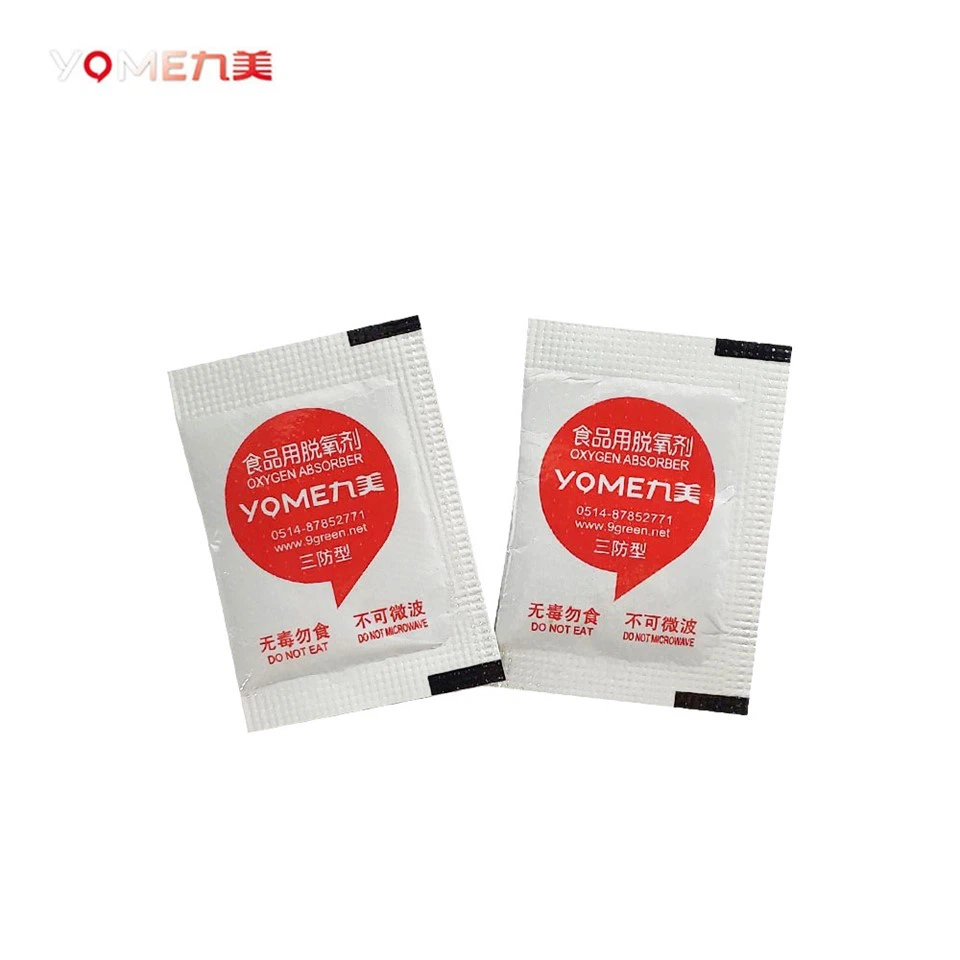
At our company, we offer a variety of desiccant oxygen absorbers to meet different customer needs.
The Oxygen Absorber with Indicator is a unique product that provides a visual indication of the oxygen level inside a container. It contains an indicator that changes color when the oxygen level drops below a certain threshold, allowing users to easily monitor the effectiveness of the oxygen absorber.
Our Yome - T Tablets Oxygen Absorbers are compact and easy to use. These tablets are designed to quickly and efficiently remove oxygen from small to medium - sized containers. They are ideal for use in food packaging, pharmaceutical products, and other applications where oxygen control is crucial.
The Yome - D Dried Type Oxygen Absorbers are specifically formulated to work in low - humidity environments. They have a high oxygen absorption capacity and can maintain a low - oxygen environment for an extended period. These absorbers are suitable for use in electronics packaging, where moisture and oxygen can cause corrosion and damage to sensitive components.
Applications in Different Industries
Desiccant oxygen absorbers have a wide range of applications across various industries.
Food Industry
In the food industry, mold growth can lead to spoilage, loss of quality, and potential health risks. Desiccant oxygen absorbers are commonly used in food packaging to extend the shelf life of products. They can be found in packages of dried fruits, nuts, cereals, and baked goods. By reducing moisture and oxygen levels, these absorbers help prevent mold growth, preserve the flavor and texture of the food, and maintain its nutritional value.
Pharmaceutical Industry
Pharmaceutical products are highly sensitive to environmental conditions. Moisture and oxygen can cause chemical degradation of drugs, reducing their effectiveness and safety. Desiccant oxygen absorbers are used in pharmaceutical packaging to protect medications from mold growth and other forms of deterioration. They are often included in blister packs, bottles, and other types of drug containers to ensure the stability and quality of the products.
Electronics Industry
Electronics components are vulnerable to corrosion and damage caused by moisture and oxygen. Desiccant oxygen absorbers are used in the packaging of electronic devices, such as printed circuit boards, semiconductors, and batteries. By creating a dry and oxygen - free environment, these absorbers help prevent the formation of rust and other forms of oxidation, ensuring the reliability and longevity of electronic products.
Textile Industry
Textiles are prone to mold growth, especially when stored in humid conditions. Desiccant oxygen absorbers can be used in textile packaging to protect fabrics from mold and mildew. They are particularly useful for storing high - value textiles, such as silk and wool, which are more susceptible to damage.

Conclusion
Desiccant oxygen absorbers are a powerful tool in the fight against mold growth. By controlling moisture and oxygen levels, they create an environment that is inhospitable to mold, helping to preserve the quality and integrity of a wide range of products. Our company is committed to providing high - quality desiccant oxygen absorbers that meet the diverse needs of our customers.
If you're interested in learning more about our desiccant oxygen absorbers or have specific requirements for your industry, we encourage you to contact us for a detailed discussion. Our team of experts is ready to assist you in finding the best solution for your mold prevention needs.
References
- "Mold Growth in Buildings and its Health Effects" by the World Health Organization.
- "Food Packaging Technology" by Desmond O. McDowell.
- "Handbook of Pharmaceutical Excipients" by Raymond C. Rowe, Paul J. Sheskey, and Marian E. Quinn.