

How do CO2 Absorbers Work in a Coastal Area?
As a supplier of CO2 absorbers, I've witnessed firsthand the growing interest in these innovative devices, especially in coastal areas. Coastal regions are unique ecosystems that face specific environmental challenges, and CO2 absorbers can play a crucial role in addressing some of these issues. In this blog post, I'll delve into how CO2 absorbers work in a coastal area and why they are becoming an essential tool for environmental management.
The Role of CO2 in Coastal Ecosystems
Before we explore how CO2 absorbers work, it's important to understand the role of carbon dioxide in coastal ecosystems. CO2 is a greenhouse gas that contributes to global warming and climate change. In coastal areas, the increased levels of CO2 can have several negative impacts. For instance, it can lead to ocean acidification, which affects the health of marine life such as coral reefs, shellfish, and plankton. These organisms rely on calcium carbonate to build their shells and skeletons, and ocean acidification makes it more difficult for them to do so.
Moreover, elevated CO2 levels can also disrupt the balance of the coastal food chain. Phytoplankton, which forms the base of the marine food web, can be affected by changes in CO2 concentrations. This, in turn, can have a cascading effect on other organisms that depend on phytoplankton for food.
How CO2 Absorbers Function
CO2 absorbers are designed to capture and remove carbon dioxide from the surrounding environment. There are different types of CO2 absorbers, but most of them work based on the principle of adsorption or absorption.

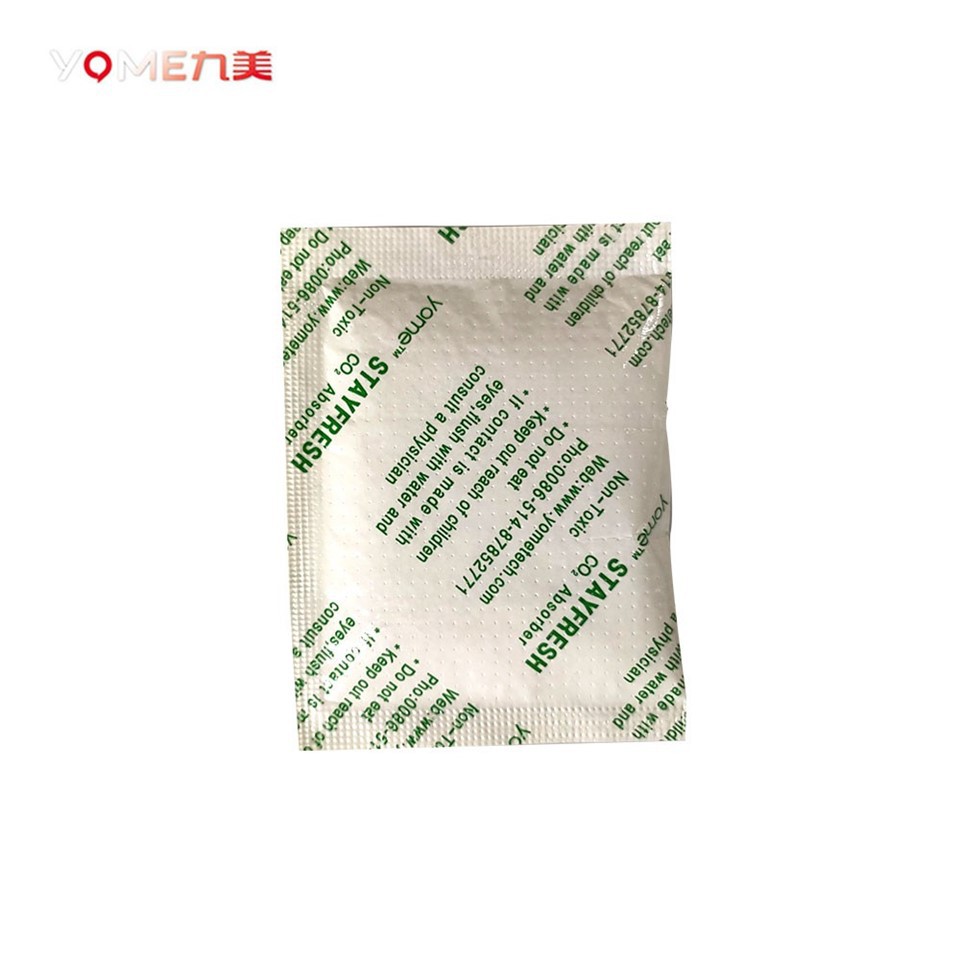
Adsorption-based CO2 Absorbers
Adsorption is a process where CO2 molecules adhere to the surface of a solid material. In adsorption-based CO2 absorbers, a porous material with a large surface area, such as activated carbon or zeolites, is used. These materials have tiny pores that can trap CO2 molecules. When air or water containing CO2 passes through the absorber, the CO2 molecules are attracted to the surface of the porous material and stick to it.
In a coastal area, adsorption-based CO2 absorbers can be installed in air purification systems or water treatment facilities. For example, in a coastal power plant, these absorbers can be used to capture the CO2 emissions from the exhaust gases before they are released into the atmosphere. This helps to reduce the overall carbon footprint of the plant and minimize its impact on the coastal environment.
Absorption-based CO2 Absorbers
Absorption involves the dissolution of CO2 in a liquid solvent. In absorption-based CO2 absorbers, a chemical solution, such as amine-based solvents, is used to absorb CO2. When the CO2-containing gas or liquid comes into contact with the solvent, the CO2 reacts with the solvent and forms a chemical compound.
In coastal areas, absorption-based CO2 absorbers can be used in applications such as desalination plants. Desalination is a process that removes salt and other impurities from seawater to make it suitable for drinking and other uses. During the desalination process, large amounts of CO2 can be released into the atmosphere. By using absorption-based CO2 absorbers, the CO2 emissions can be captured and reduced, making the desalination process more environmentally friendly.
Benefits of Using CO2 Absorbers in Coastal Areas
The use of CO2 absorbers in coastal areas offers several benefits.
Environmental Protection
One of the primary benefits of CO2 absorbers is their ability to reduce the levels of carbon dioxide in the environment. By capturing and removing CO2, these absorbers help to mitigate the effects of ocean acidification and climate change on coastal ecosystems. This, in turn, helps to protect the biodiversity of the coastal area and ensure the long-term health of marine life.
Improved Air and Water Quality
CO2 absorbers can also help to improve the air and water quality in coastal areas. In addition to reducing CO2 emissions, these absorbers can also remove other pollutants and contaminants from the air and water. For example, adsorption-based CO2 absorbers can capture volatile organic compounds (VOCs) and particulate matter, while absorption-based CO2 absorbers can remove heavy metals and other dissolved impurities.
Energy Efficiency
Some CO2 absorbers are designed to be energy-efficient. For example, certain types of adsorption-based CO2 absorbers can be regenerated using low-temperature heat sources, such as waste heat from industrial processes or solar energy. This reduces the energy consumption of the absorber and makes it more sustainable.
Applications of CO2 Absorbers in Coastal Areas
CO2 absorbers have a wide range of applications in coastal areas.
Coastal Industries
As mentioned earlier, coastal industries such as power plants, desalination plants, and oil refineries can use CO2 absorbers to reduce their carbon emissions. By implementing these technologies, these industries can comply with environmental regulations and improve their environmental performance.
Marine Transportation
CO2 absorbers can also be used in the marine transportation sector. Ships are a significant source of CO2 emissions, especially in coastal waters. By installing CO2 absorbers on ships, the emissions can be reduced, making the shipping industry more sustainable.
Coastal Tourism
Coastal tourism is an important economic activity in many coastal areas. However, tourism can also have a negative impact on the environment, especially if it is not managed properly. CO2 absorbers can be used in coastal resorts and hotels to reduce their carbon footprint and create a more sustainable tourism experience.
Conclusion
In conclusion, CO2 absorbers are an effective solution for reducing carbon dioxide emissions and protecting the environment in coastal areas. These devices work based on the principles of adsorption or absorption and offer several benefits, including environmental protection, improved air and water quality, and energy efficiency. With the growing awareness of the importance of environmental sustainability, the demand for CO2 absorbers in coastal areas is expected to increase in the coming years.
If you are interested in learning more about our CO2 Absorbers for Fresh Vegetable or other CO2 absorber products, or if you have any questions about how these products can be used in your coastal area project, please feel free to contact us. We are happy to discuss your specific needs and provide you with a customized solution.
References
- IPCC. (2019). Special Report on the Ocean and Cryosphere in a Changing Climate.
- National Oceanic and Atmospheric Administration (NOAA). (2020). Ocean Acidification.
- International Maritime Organization (IMO). (2021). Greenhouse Gas Emissions from Ships.