

Do oxygen packets work for fruit juices?
As a supplier of oxygen packets for food, I've been frequently asked about the effectiveness of oxygen packets in preserving fruit juices. In this blog, I'll delve into the science behind oxygen packets and their potential impact on fruit juices.
The Role of Oxygen in Fruit Juice Spoilage
Fruit juices are highly perishable products. Oxygen plays a significant role in their spoilage process. When fruit juice is exposed to oxygen, several negative reactions can occur. Oxidation is one of the most prominent issues. It can cause the breakdown of vitamins, such as vitamin C, which is abundant in many fruit juices. Vitamin C is not only an important nutrient but also acts as an antioxidant itself. Once it's oxidized, the juice loses its nutritional value and may develop an off - flavor.
Moreover, oxygen can promote the growth of aerobic microorganisms, such as molds and yeasts. These microorganisms can multiply rapidly in the presence of oxygen and suitable nutrients in the fruit juice, leading to visible mold growth, fermentation, and the production of unpleasant odors and flavors.
How Oxygen Packets Work
Oxygen packets, also known as oxygen absorbers, are designed to remove oxygen from the surrounding environment. They typically contain iron powder as the main active ingredient. When the packet is exposed to air, the iron powder reacts with oxygen in a process called oxidation. The chemical reaction can be simplified as follows:
4Fe + 3O₂ + 6H₂O → 4Fe(OH)₃
This reaction consumes oxygen and converts it into iron hydroxide. As a result, the oxygen level inside the packaging is significantly reduced.
Using Oxygen Packets for Fruit Juices
The question remains: do oxygen packets work for fruit juices? In theory, they can be beneficial. By reducing the oxygen level in the juice packaging, oxygen packets can slow down the oxidation process of vitamins and other nutrients in the juice. This helps to preserve the nutritional value and flavor of the juice for a longer period.
For example, if you have a freshly squeezed orange juice that is rich in vitamin C, placing an oxygen packet in the juice container can prevent the rapid oxidation of vitamin C. This means that the juice will retain more of its natural vitamin C content, which is not only good for consumers' health but also maintains the fresh - squeezed taste.
In addition, the reduction of oxygen can inhibit the growth of aerobic microorganisms. This is especially important for fruit juices that are not pasteurized or have a relatively low level of preservatives. By creating an oxygen - poor environment, oxygen packets can extend the shelf - life of the juice and reduce the risk of spoilage.
Types of Oxygen Packets Suitable for Fruit Juices
There are different types of oxygen packets available in the market, and some are more suitable for fruit juices than others.
Oxygen Absorbers for Quart Jars are a great option for packaging fruit juices in quart - sized containers. These oxygen absorbers are designed to fit well in quart jars and can effectively remove oxygen from the relatively large volume of juice in the jar. They are usually sealed in a permeable material that allows oxygen to enter the packet while keeping the iron powder and other components inside.
Yome - T Tablets Oxygen Absorbers are another choice. These tablets are compact and can be easily placed in small juice bottles or pouches. They have a high oxygen - absorbing capacity and can quickly reduce the oxygen level in the packaging. Their small size makes them convenient for use in various types of juice packaging, especially for single - serving or small - batch products.

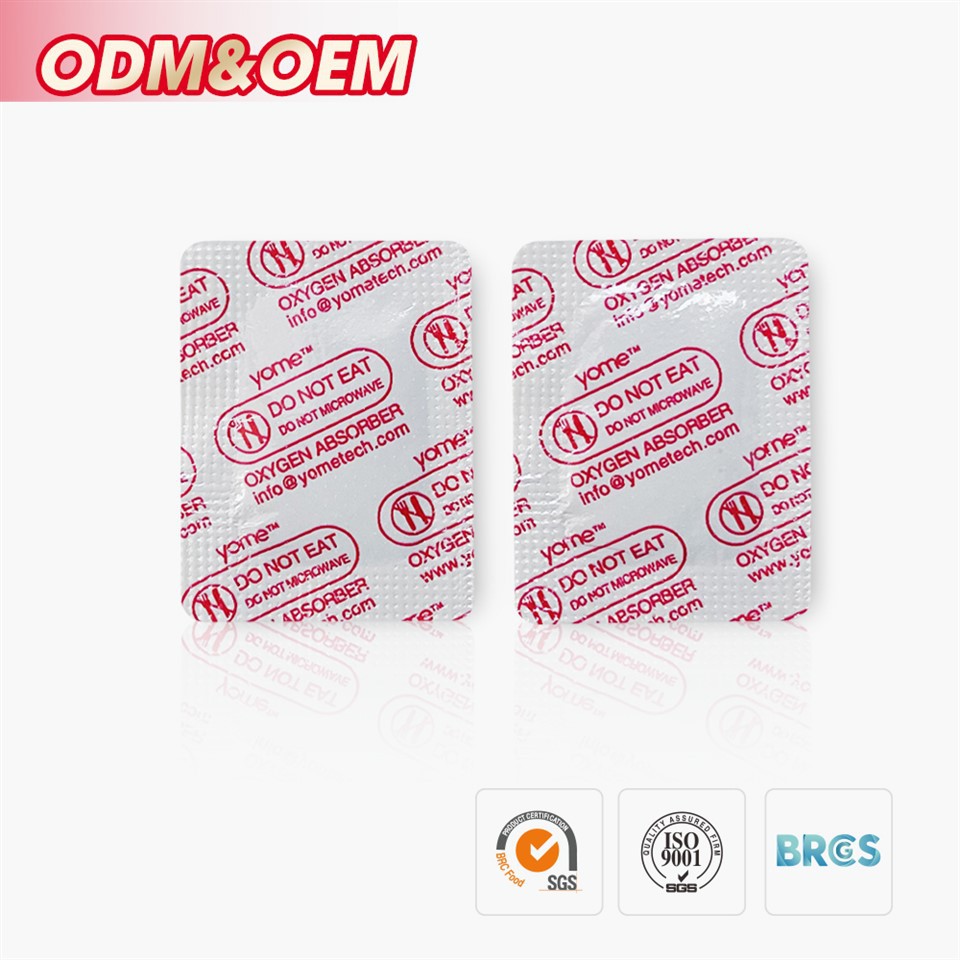
Self - adhesive Oxygen Absorber can be attached to the inside of the juice container. This type of oxygen absorber is ideal for flexible packaging, such as juice pouches. The self - adhesive feature ensures that the absorber stays in place and can effectively absorb oxygen from the surrounding juice environment.
Limitations and Considerations
While oxygen packets can be beneficial for fruit juices, there are also some limitations and considerations.
Firstly, oxygen packets need to be used in a properly sealed container. If the container is not air - tight, new oxygen will continuously enter the package, and the oxygen absorbers will not be able to maintain a low - oxygen environment. Therefore, it's crucial to ensure that the juice packaging has good sealing properties.
Secondly, the oxygen - absorbing capacity of the packets needs to be matched with the volume of the juice and the initial oxygen level in the packaging. Using too few oxygen packets may not be sufficient to remove all the oxygen, while using too many can be wasteful and may increase the cost.
Finally, some consumers may have concerns about the safety of oxygen packets. It's important to note that oxygen packets are designed to be non - toxic and food - grade. However, they should not be consumed. Proper labeling and instructions should be provided on the juice packaging to ensure consumer safety.
Conclusion
In conclusion, oxygen packets can work effectively for fruit juices. They can help to preserve the nutritional value, flavor, and extend the shelf - life of the juice by reducing oxygen - related spoilage. Different types of oxygen packets, such as Oxygen Absorbers for Quart Jars, Yome - T Tablets Oxygen Absorbers, and Self - adhesive Oxygen Absorber, offer various options for different juice packaging needs.
If you are a fruit juice producer or a distributor looking for an effective way to preserve your products, oxygen packets can be a valuable solution. We are a professional supplier of oxygen packets for food, and we can provide you with high - quality products and customized solutions. If you are interested in learning more about our oxygen packets or would like to discuss a potential purchase, please feel free to contact us. We look forward to working with you to improve the quality and shelf - life of your fruit juices.
References
- Labuza, T. P. (1971). Oxygen permeability of packaging materials. Journal of Food Science, 36(1), 15 - 22.
- Rooney, M. L. (1995). Oxygen scavengers in food packaging. Trends in Food Science & Technology, 6(10), 309 - 314.
- Taoukis, P. S., & Labuza, T. P. (1980). Shelf - life studies of foods and beverages. CRC Press.