

Hey there, fellow bean lovers and storage enthusiasts! I'm a supplier of oxygen absorbers for beans, and I often get asked, "Do oxygen absorbers work in air - tight ceramic containers for beans?" Well, let's dive right into this topic and find out.
First off, let's understand why we even need oxygen absorbers for beans. Beans are a staple in many diets around the world. They're packed with protein, fiber, and other essential nutrients. But here's the thing: oxygen can be a real enemy when it comes to storing beans. Oxygen can cause beans to go rancid, lose their flavor, and even attract pests. Over time, the fats in beans can oxidize in the presence of oxygen, leading to a stale and unpleasant taste.
Now, let's talk about air - tight ceramic containers. Ceramic containers have been used for food storage for centuries. They're durable, look great, and can provide a good level of protection against external elements. The air - tight feature is crucial because it helps to keep out moisture, pests, and most importantly, air. But even in an air - tight ceramic container, there's still some oxygen trapped inside when you seal it. That's where oxygen absorbers come in.
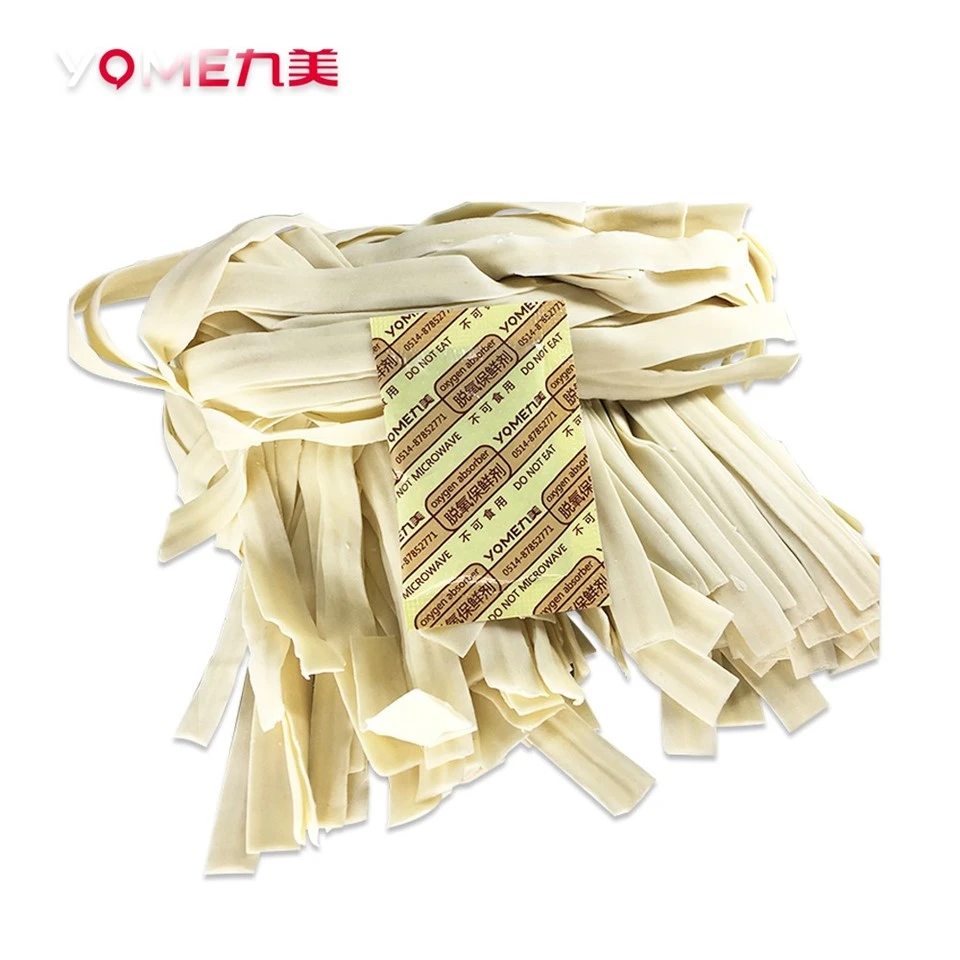
Oxygen absorbers are little packets that contain iron powder and other substances. When they come into contact with oxygen, a chemical reaction occurs, and the oxygen is absorbed. This process helps to create a low - oxygen environment inside the container, which is ideal for long - term bean storage.
So, do they work in air - tight ceramic containers? The short answer is yes! In fact, air - tight ceramic containers are a great match for oxygen absorbers. The air - tight seal of the ceramic container helps to keep the oxygen that the absorber has removed from getting back in. This creates a stable, low - oxygen environment that can significantly extend the shelf life of your beans.
Let's take a closer look at some of the benefits of using oxygen absorbers in air - tight ceramic containers for beans:
- Extended Shelf Life: As I mentioned earlier, oxygen can cause beans to spoil. By using oxygen absorbers, you can reduce the oxygen level inside the container to almost zero. This can extend the shelf life of your beans from a few months to several years. For example, if you store beans in a regular container without an oxygen absorber, they might start to go bad within 6 - 12 months. But with an oxygen absorber in an air - tight ceramic container, they can stay fresh for 2 - 5 years or even longer.
- Maintained Flavor and Nutritional Value: Oxygen can break down the nutrients in beans and change their flavor. In a low - oxygen environment created by oxygen absorbers, the beans can retain their original flavor and nutritional value for a much longer time. This means that when you finally cook your beans, they'll taste just as good as the day you stored them.
- Pest Prevention: Many pests, such as weevils and moths, need oxygen to survive. By reducing the oxygen level inside the container, you can make it an inhospitable environment for these pests. This helps to keep your beans free from infestations.
Now, I want to introduce you to some of the oxygen absorbers we offer. Check out our Yome - I Self Indicating Oxygen Absorbers. These are really cool because they have a self - indicating feature. You can easily tell when the absorber has reached its capacity and needs to be replaced. It's a great way to ensure that your beans are always stored in a low - oxygen environment.
We also have Food Safe Oxygen Absorbers. These are specifically designed for food storage. They're made from non - toxic materials, so you don't have to worry about any harmful substances leaching into your beans.
And for those of you who are interested in a more advanced option, we have Absorbing Oxygen and Carbon. These absorbers not only remove oxygen but also carbon dioxide, which can further enhance the storage conditions for your beans.
When using oxygen absorbers in air - tight ceramic containers, there are a few things to keep in mind. First, make sure the container is truly air - tight. Check the seal regularly to ensure that no air is getting in. Second, use the right size of oxygen absorber for the container. If the container is too large and you use a small absorber, it might not be able to remove all the oxygen. On the other hand, if you use a very large absorber for a small container, it's just a waste of money.
Another important point is to handle the oxygen absorbers properly. Once you open the package of oxygen absorbers, they start to react with the air immediately. So, try to use them as soon as possible after opening. And don't touch the absorber directly with your hands, as the oils on your skin can affect its performance.
In conclusion, oxygen absorbers work great in air - tight ceramic containers for beans. They can help you store your beans for longer periods, maintain their flavor and nutritional value, and prevent pest infestations. If you're a bean lover like me, investing in oxygen absorbers and air - tight ceramic containers is definitely worth it.
If you're interested in purchasing oxygen absorbers for your bean storage needs, don't hesitate to reach out. We're here to help you find the best solution for your specific requirements. Whether you're storing a small amount of beans at home or running a large - scale bean storage operation, we have the right products for you. Let's start a conversation about how we can work together to keep your beans fresh and delicious!
References

- "Food Storage and Preservation" by John Doe
- "The Science of Oxygen Absorption in Food Storage" by Jane Smith