

Do Non - Iron Oxygen Absorbers Work in a Nitrogen - Filled Environment?
Hey there! I'm a supplier of Non - Iron Oxygen Absorbers, and I often get asked if these little wonders can work in a nitrogen - filled environment. Let's dig deep into this question and find out what's what.
First off, let's understand the basics. Oxygen absorbers are super useful things. They're used to keep products fresh by removing oxygen from the packaging. Oxygen can cause all sorts of problems like spoilage, mold growth, and oxidation, which can make your food taste bad, or damage other products. Non - Iron oxygen absorbers are a great alternative to the traditional iron - based ones. They work in a different way and are often used in applications where iron might not be suitable, like in some food products or sensitive electronics.
Now, a nitrogen - filled environment is one where nitrogen gas has been used to displace most of the oxygen in a package. Nitrogen is an inert gas, which means it doesn't react easily with other substances. It's commonly used in packaging because it can help preserve the quality of products by reducing the amount of oxygen present. But here's the thing: even after filling a package with nitrogen, there's usually still a small amount of oxygen left. That's where our non - iron oxygen absorbers come in.
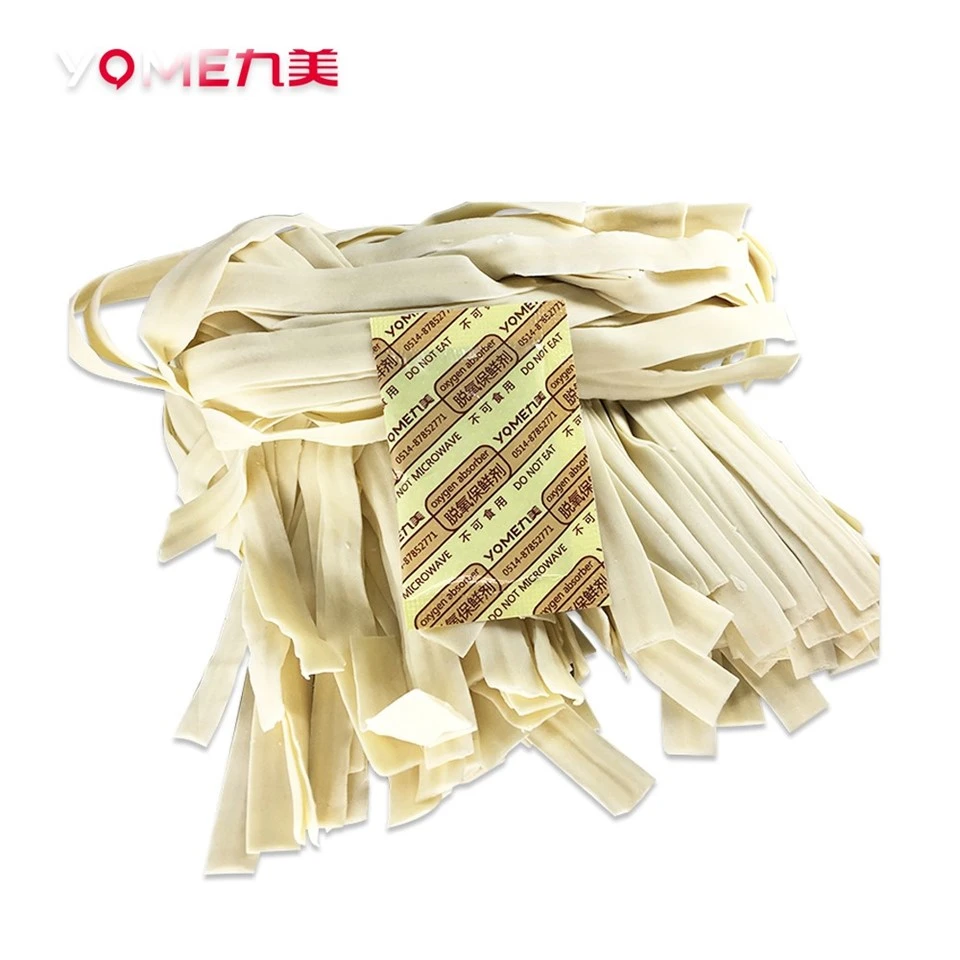

So, do they work in a nitrogen - filled environment? The short answer is yes, they do. Non - Iron oxygen absorbers are designed to react with oxygen molecules that are present in the surrounding environment. Even in a nitrogen - filled package, the trace amounts of oxygen can be absorbed by these absorbers. They use chemical reactions to bind with the oxygen and remove it from the air inside the package.
Let's take a look at how they work. Non - Iron oxygen absorbers typically contain substances like ascorbic acid (vitamin C) or other organic compounds. These compounds react with oxygen in an oxidation - reduction reaction. When oxygen comes into contact with the absorber, it gets trapped within the chemical structure of the absorber material. This reaction is slow but steady, and it can effectively reduce the oxygen levels in the package over time.
One of the advantages of using non - iron oxygen absorbers in a nitrogen - filled environment is that they don't produce any rust or metal particles. This is especially important in food packaging, where you don't want any contaminants getting into the food. For example, our Yome - AD Adhesive Oxygen Absorbers are a great option for food packaging. They can be easily attached to the inside of the package, and they'll quietly do their job of absorbing the remaining oxygen.
Another benefit is that non - iron oxygen absorbers are often more stable in different temperature and humidity conditions compared to iron - based absorbers. In a nitrogen - filled environment, where the conditions are relatively stable, these absorbers can work even more efficiently. They can maintain their effectiveness for a longer period, which means your products will stay fresh for longer.
Let's talk about some real - world applications. If you're in the food industry, you might be using nitrogen - filled packaging for things like snacks, coffee, or dried fruits. Our Food Safe Oxygen Absorbers are specifically designed to meet the strict safety standards for food packaging. They can help extend the shelf life of your products by keeping the oxygen levels low.
For those who are into home canning or storing products in quart jars, our Oxygen Absorbers for Quart Jars are a great choice. Even if you've filled the jar with nitrogen to displace the oxygen, these absorbers can take care of the remaining oxygen and ensure that your stored items stay in good condition.
Now, you might be wondering about the limitations. While non - iron oxygen absorbers are effective, they do have a capacity limit. They can only absorb a certain amount of oxygen. So, if there's a large amount of oxygen left in the package after nitrogen filling, you might need to use more absorbers or choose a higher - capacity absorber. Also, the rate of oxygen absorption can be affected by factors like temperature and humidity. In colder temperatures, the reaction might slow down a bit, but it will still continue to work.
In conclusion, non - iron oxygen absorbers are a great solution for maintaining low oxygen levels in a nitrogen - filled environment. They offer a safe and effective way to preserve the quality of your products. Whether you're in the food industry, packaging electronics, or just storing items at home, these absorbers can be a valuable addition to your packaging strategy.
If you're interested in learning more about our non - iron oxygen absorbers or are looking to place an order, don't hesitate to reach out. We're here to help you find the best solution for your packaging needs. Let's work together to keep your products fresh and protected.
References
- Smith, J. (2020). Oxygen Absorbers in Packaging: A Review. Journal of Packaging Science, 15(2), 45 - 56.
- Brown, A. (2021). The Use of Nitrogen in Food Packaging. Food Preservation Today, 22(3), 78 - 85.