

Do mason jar oxygen absorbers remove all oxygen from the jar?
As a supplier of mason jar oxygen absorbers, I often get asked this question by customers. The short answer is no, they don't remove all oxygen from the jar. However, they can reduce the oxygen level to a very low level, which is sufficient to prevent the growth of aerobic bacteria, mold, and other oxygen-dependent organisms. In this blog post, I'll explain how oxygen absorbers work, how much oxygen they can remove, and the factors that affect their performance.
How do oxygen absorbers work?
Oxygen absorbers are small packets that contain iron powder and other chemicals. When the packet is exposed to air, the iron powder reacts with oxygen to form iron oxide (rust). This reaction consumes oxygen and reduces the oxygen level inside the jar. The other chemicals in the packet help to speed up the reaction and prevent the iron powder from clumping together.
How much oxygen can oxygen absorbers remove?
The amount of oxygen that an oxygen absorber can remove depends on several factors, including the size of the absorber, the size of the jar, and the initial oxygen level inside the jar. Generally, a small oxygen absorber can remove up to 100 cc of oxygen, while a large absorber can remove up to 500 cc of oxygen. However, these are just estimates, and the actual amount of oxygen removed may vary depending on the specific conditions.

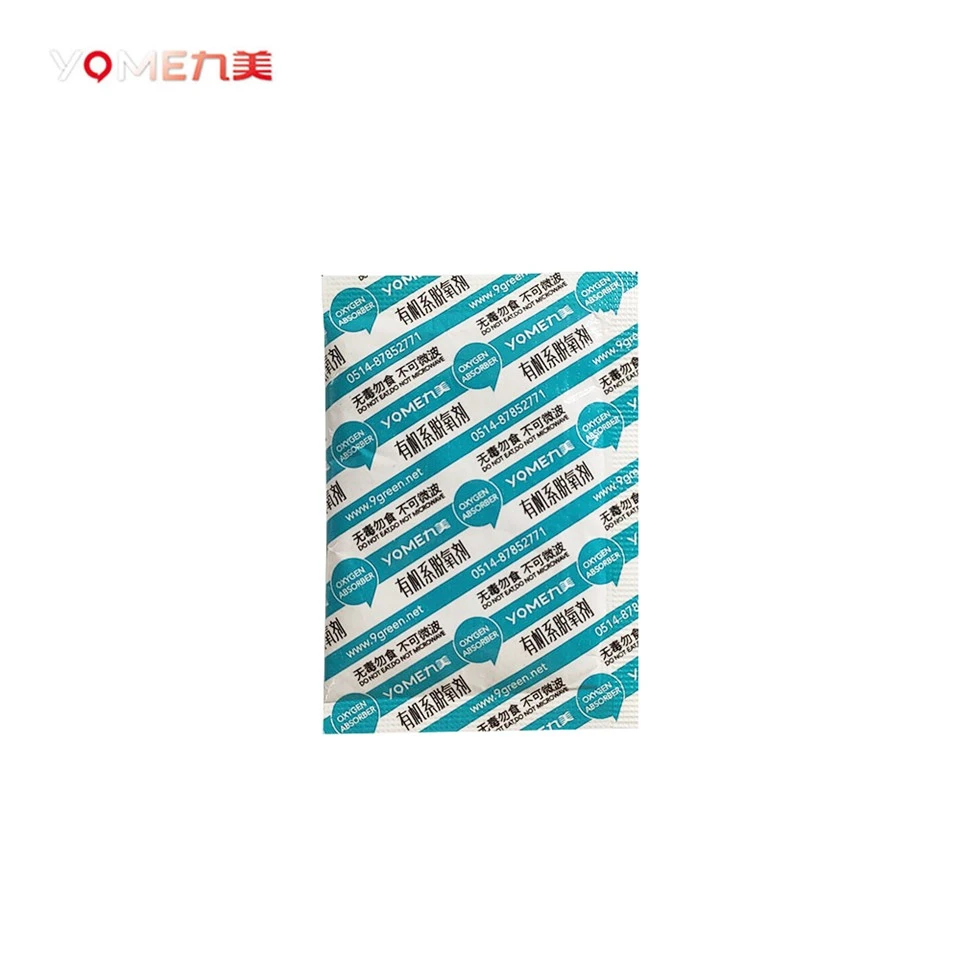
To determine the appropriate size of oxygen absorber for your jar, you need to calculate the volume of the jar and the initial oxygen level inside the jar. You can use a simple formula to calculate the volume of the jar:
Volume = π x (radius)^2 x height
Once you have calculated the volume of the jar, you can estimate the initial oxygen level inside the jar. The air we breathe contains about 21% oxygen, so if the jar is filled with air, the initial oxygen level inside the jar will be about 21%. However, if the jar is filled with food or other items, the initial oxygen level may be lower.
Based on the volume of the jar and the initial oxygen level inside the jar, you can choose the appropriate size of oxygen absorber. For example, if you have a quart jar (about 946 cc) filled with air, you would need a large oxygen absorber that can remove at least 200 cc of oxygen to reduce the oxygen level to a safe level.
Factors that affect the performance of oxygen absorbers
The performance of oxygen absorbers can be affected by several factors, including temperature, humidity, and the type of food or other items stored in the jar. Here's a closer look at each of these factors:
Temperature: Oxygen absorbers work best at room temperature (about 70°F or 21°C). If the temperature is too high or too low, the reaction between the iron powder and oxygen may slow down or stop altogether. For example, if the temperature is below 40°F (4°C), the reaction may be too slow to be effective.
Humidity: Oxygen absorbers work best in a dry environment. If the humidity is too high, the iron powder may rust too quickly and lose its effectiveness. For example, if the humidity is above 70%, the oxygen absorber may only last for a few days.
Type of food or other items stored in the jar: Some foods and other items can release oxygen or moisture, which can affect the performance of oxygen absorbers. For example, fresh fruits and vegetables can release oxygen as they ripen, while bread and other baked goods can release moisture. If you're storing these types of foods in a jar, you may need to use a larger oxygen absorber or replace the absorber more frequently.
Can oxygen absorbers remove all oxygen from the jar?
As I mentioned earlier, oxygen absorbers cannot remove all oxygen from the jar. There will always be a small amount of oxygen left inside the jar, even after the oxygen absorber has done its job. However, the amount of oxygen left inside the jar is usually very low, which is sufficient to prevent the growth of aerobic bacteria, mold, and other oxygen-dependent organisms.
In general, oxygen absorbers can reduce the oxygen level inside the jar to less than 0.1%. This is a very low level of oxygen, which is considered safe for most types of food and other items. However, if you're storing very sensitive items, such as seeds or medications, you may need to use a vacuum sealer or other method to remove as much oxygen as possible.
Benefits of using oxygen absorbers
Using oxygen absorbers in mason jars has several benefits, including:
- Extended shelf life: Oxygen is one of the main factors that can cause food and other items to spoil. By removing oxygen from the jar, oxygen absorbers can help to extend the shelf life of your food and other items.
- Prevents mold and bacteria growth: Mold and bacteria need oxygen to grow. By reducing the oxygen level inside the jar, oxygen absorbers can help to prevent the growth of mold and bacteria, which can keep your food and other items fresh and safe to eat.
- Maintains the quality of your food and other items: Oxygen can cause food and other items to lose their flavor, color, and texture. By removing oxygen from the jar, oxygen absorbers can help to maintain the quality of your food and other items.
Types of oxygen absorbers
There are several types of oxygen absorbers available on the market, each with its own unique features and benefits. Here are some of the most common types of oxygen absorbers:
- Oxygen Absorbers for Quart Jars: These oxygen absorbers are specifically designed for use in quart jars. They come in different sizes and can remove different amounts of oxygen, depending on your needs.
- Yome-Q Fast Reaction Type: These oxygen absorbers are designed to react quickly with oxygen, which makes them ideal for use in jars that contain fresh or perishable items.
- Yome-B Double Absorption Type: These oxygen absorbers are designed to absorb both oxygen and moisture, which makes them ideal for use in jars that contain dry or semi-dry items.
Conclusion
In conclusion, oxygen absorbers are a great way to extend the shelf life of your food and other items stored in mason jars. While they cannot remove all oxygen from the jar, they can reduce the oxygen level to a very low level, which is sufficient to prevent the growth of aerobic bacteria, mold, and other oxygen-dependent organisms. By choosing the appropriate size of oxygen absorber and taking into account the factors that affect their performance, you can ensure that your food and other items stay fresh and safe to eat for longer.
If you're interested in purchasing oxygen absorbers for your mason jars, please feel free to contact us. We offer a wide range of oxygen absorbers to meet your needs, and our team of experts can help you choose the right absorber for your specific application.
References
- "Oxygen Absorbers: How They Work and Why You Need Them." The Spruce Eats, https://www.thespruceeats.com/oxygen-absorbers-how-they-work-1389304.
- "How to Use Oxygen Absorbers for Food Storage." Prepare with Erin, https://preparewitherin.com/how-to-use-oxygen-absorbers-for-food-storage/.
- "Oxygen Absorbers: Frequently Asked Questions." Uline, https://www.uline.com/FAQ/Display/1000000000000000002.