

Hey there! As a supplier of desiccant oxygen absorbers, I often get asked if these little guys require special handling. Well, let's dive right into it and find out.
First off, what are desiccant oxygen absorbers? They're these nifty little packets or canisters that are designed to remove moisture and oxygen from enclosed spaces. You'll commonly find them in food packages, pharmaceutical containers, and even electronic devices. Their main job is to extend the shelf life of products by preventing spoilage, mold growth, and oxidation.
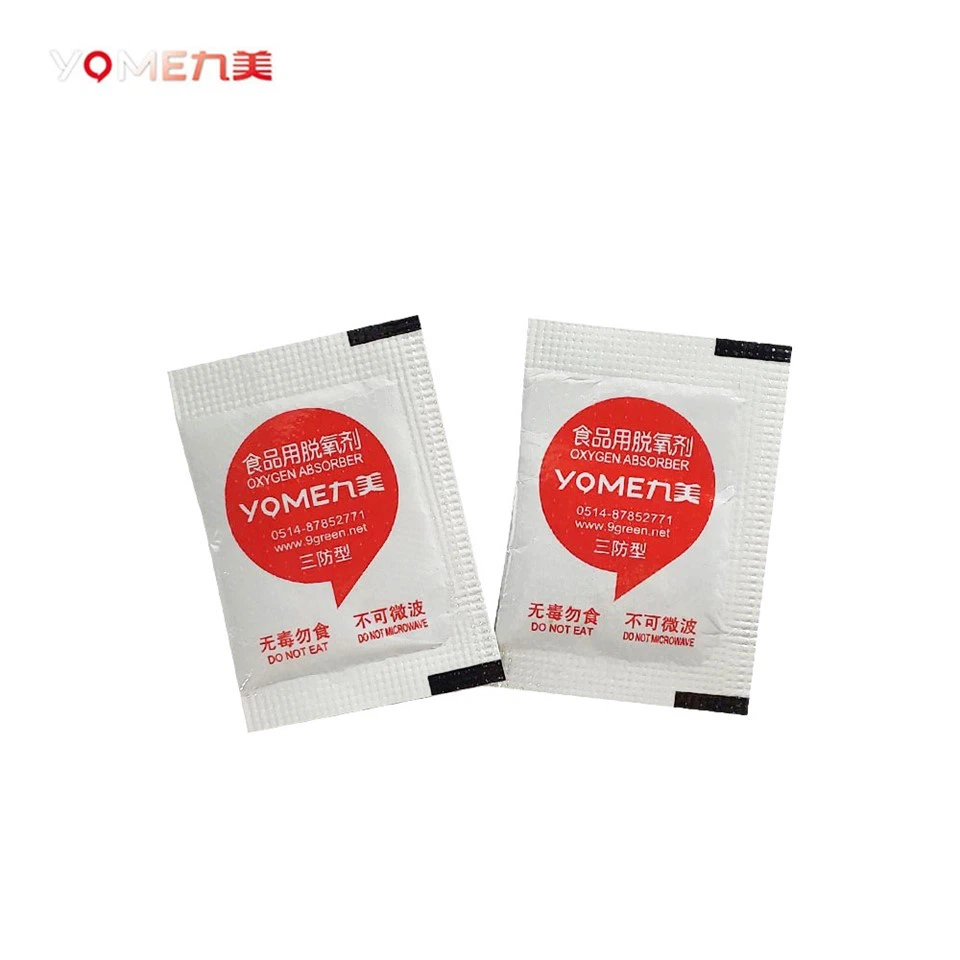

So, do they need special handling? The short answer is yes, to some extent. But don't worry, it's not rocket science. Let's break it down into a few key areas.
Storage
When it comes to storing desiccant oxygen absorbers, you want to keep them in a cool, dry place. Moisture and heat can activate the absorber prematurely, which means it won't work as effectively when you actually need it. Think of it like a battery - you don't want to drain it before you use it. A sealed container in a pantry or a storage closet away from direct sunlight is a great spot.
Also, make sure to keep them away from any sources of water or high humidity. For example, don't store them in a basement that tends to get damp or near a leaky pipe. If they do get exposed to too much moisture, they'll start to do their job right then and there, and they won't be any good for your products later.
Handling During Use
When you're ready to use the desiccant oxygen absorbers, there are a few things to keep in mind. First, open the package just before you need to use the absorber. Once it's exposed to the air, it starts working immediately. So, if you open a pack of them and don't use them all right away, the ones you leave out will lose their effectiveness.
When you're placing the absorber in a package, make sure it's in a position where it can do its job properly. For example, in a food package, put it near the center or at the top where the air tends to collect. And don't crush or damage the absorber. If the packet or canister is broken, the contents might spill out, which could be a safety hazard and also render the absorber useless.
Safety Precautions
Desiccant oxygen absorbers are generally safe to use, but there are still some safety precautions to take. Most absorbers contain iron powder, which can cause problems if ingested. So, keep them out of reach of children and pets. If someone accidentally swallows an absorber, it's important to seek medical attention right away.
Also, be careful when handling the absorbers if you have sensitive skin. Some people might have an allergic reaction to the materials inside the absorber. If you notice any itching, redness, or irritation, stop handling them and wash your hands thoroughly.
Different Types of Absorbers and Their Handling
There are different types of desiccant oxygen absorbers, and each might have slightly different handling requirements. For example, the Yome-D Dried Type Oxygen Absorbers are designed to work in a specific way. They're great for products that need a low - humidity environment. When using these, make sure the product you're packaging is also dry. If it's too moist, the absorber might not be able to keep up.
The Faster Reaction Oxygen Absorber is another type. As the name suggests, it works quickly to remove oxygen. This means you need to be extra fast when using it. Open the package, place it in the product container, and seal it up as soon as possible. Otherwise, it might use up all its absorbing capacity before the package is sealed.
And then there are the 10cc 20cc 30cc Mini - size Roll Oxygen Absorber Are Designed for Small Packages Like Snacks and Supplements. These are really handy for small - scale products. But because they're small, they can be a bit tricky to handle. You need to be precise when cutting them from the roll and placing them in the package.
Special Handling for Large - Scale Use
If you're using desiccant oxygen absorbers on a large scale, like in a factory or a warehouse, there are some additional considerations. You'll need to have a proper storage system in place to keep the absorbers in good condition. This might involve using large, sealed containers or even climate - controlled storage areas.
Also, when it comes to handling during the packaging process, you might need to set up a production line that ensures the absorbers are placed in the packages quickly and accurately. You could use automated equipment to do this, which can help reduce the risk of human error.
Disposal
Once the desiccant oxygen absorber has done its job, you need to dispose of it properly. In most cases, it can be thrown away in the regular trash. However, if the absorber contains any hazardous materials (although this is rare), you might need to follow special disposal procedures. Check with your local waste management facility to find out the best way to get rid of used absorbers.
Conclusion
So, to sum it up, desiccant oxygen absorbers do require some special handling. But with a little bit of knowledge and care, you can use them effectively to protect your products. Whether you're a small business owner looking to keep your snacks fresh or a large - scale manufacturer protecting your electronics, these absorbers are a great tool.
If you're interested in purchasing desiccant oxygen absorbers for your business, I'd love to talk to you. We offer a wide range of high - quality absorbers that can meet your specific needs. Just reach out, and we can start discussing the best solution for you.
References
- "Handbook of Food Preservation", various authors, covers general information on using oxygen absorbers in food packaging.
- "Industrial Packaging Solutions", a publication that provides insights on large - scale use of desiccant oxygen absorbers.