

Can oxygen packets be used in sealed plastic containers for food? That's a question I get asked a lot as a supplier of oxygen packets for food. And let me tell you, it's a topic that's super important for anyone in the food industry, whether you're a small business owner or a big-time manufacturer.
First off, let's talk about what oxygen packets are and why they're so useful. Oxygen packets, also known as oxygen absorbers, are little packets filled with materials that can suck up oxygen from the surrounding environment. When you put these packets in a sealed container with food, they help to create a low-oxygen environment. This is a game-changer because oxygen is one of the main culprits behind food spoilage. It can cause oxidation, which leads to things like rancidity in fats, color changes, and the growth of aerobic bacteria and mold.
Now, onto the big question: Can you use oxygen packets in sealed plastic containers for food? The short answer is yes, you can. In fact, using oxygen packets in sealed plastic containers is a great way to extend the shelf life of your food products. Plastic containers are widely used in the food industry because they're lightweight, inexpensive, and come in all sorts of shapes and sizes. And when you combine them with oxygen packets, you've got a powerful tool for keeping your food fresh.
But there are a few things you need to keep in mind when using oxygen packets in plastic containers. First, make sure the plastic container is actually airtight. If there are any leaks or gaps, the oxygen packets won't be able to do their job properly. You want to create a sealed environment where the oxygen absorbers can work their magic and remove all the oxygen.
Another thing to consider is the type of plastic container you're using. Some plastics are more permeable to oxygen than others. For example, high-density polyethylene (HDPE) and polypropylene (PP) are relatively good at keeping oxygen out, while low-density polyethylene (LDPE) and polyvinyl chloride (PVC) are more permeable. So, if you're using a plastic container that's more permeable to oxygen, you might need to use more oxygen packets or choose a more effective type of oxygen absorber.
Let's talk about the different types of oxygen packets we offer. We've got the Self-adhesive Oxygen Absorber. These are really handy because they come with a self-adhesive backing, so you can easily stick them to the inside of the plastic container. This ensures that they stay in place and are in direct contact with the air inside the container, which helps them work more efficiently.
Then there's the Yome-C Double Effect Oxygen Absorbers. These are a special type of oxygen absorber that not only remove oxygen but also have a dehumidifying effect. This is great for food products that are sensitive to both oxygen and moisture, like dried fruits, nuts, and some types of snacks. The double effect helps to keep the food fresh and crispy for longer.
And we also have the Oxygen Absorber with Indicator. These are really cool because they have a built-in indicator that changes color when the oxygen level inside the container has been reduced to a certain level. This gives you a visual cue that the oxygen absorbers are working and that the food is being protected.
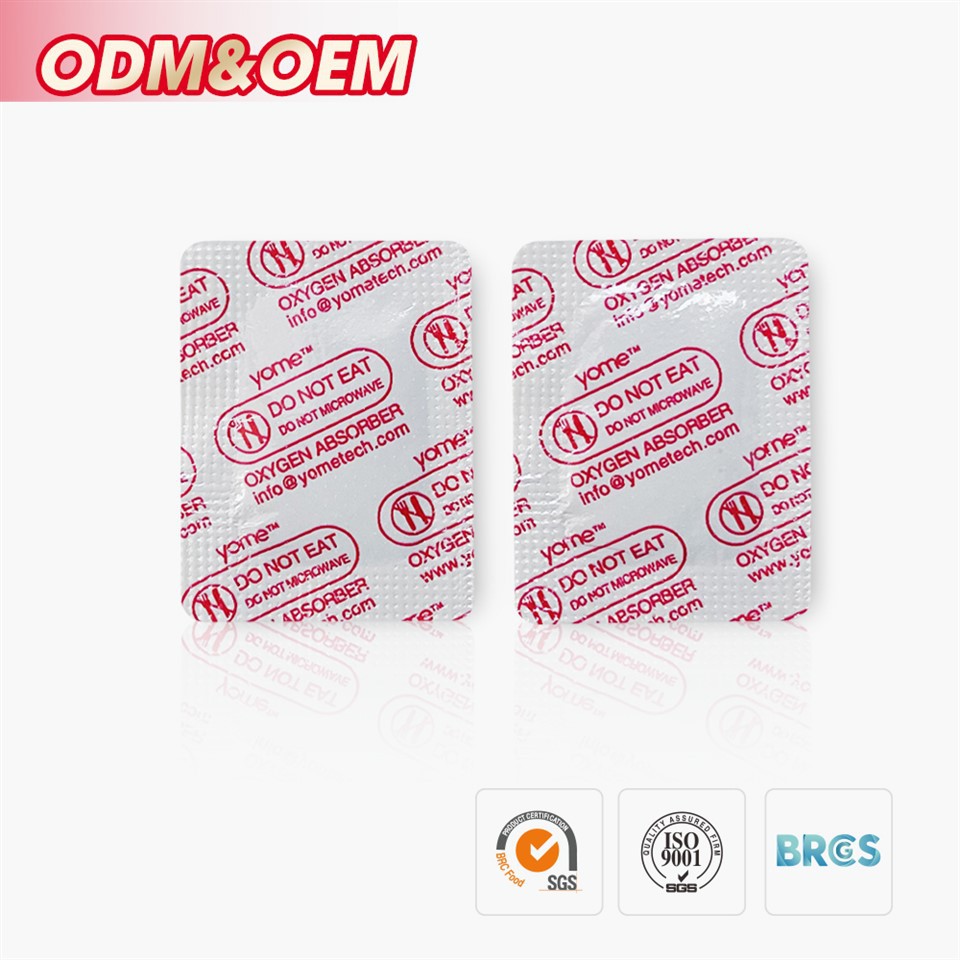

When it comes to using oxygen packets in plastic containers, it's also important to follow the recommended usage guidelines. Each type of oxygen absorber has a specific capacity, which is usually measured in cubic centimeters (cc) of oxygen that it can absorb. You need to make sure you're using the right number of oxygen packets based on the size of the container and the amount of oxygen that needs to be removed.
For example, if you're using a small plastic container with a volume of 500 cc, you might only need one or two small oxygen packets. But if you're using a large container with a volume of 5 liters or more, you'll probably need several larger oxygen packets. It's always a good idea to do a little bit of math and calculate the right amount of oxygen absorbers based on the container size and the oxygen content of the food.
In addition to extending the shelf life of your food, using oxygen packets in plastic containers can also have other benefits. For one thing, it can help to reduce the need for preservatives. Many food manufacturers use chemical preservatives to keep their products fresh, but these can be a turn-off for some consumers who are looking for more natural and healthy food options. By using oxygen packets, you can achieve a similar level of preservation without the need for artificial additives.
Another benefit is that it can improve the quality of your food. When food is exposed to oxygen, it can lose its flavor, aroma, and nutritional value. By removing the oxygen, oxygen packets help to preserve these qualities and keep your food tasting and smelling great. This can lead to happier customers and increased sales for your business.
So, if you're in the food industry and you're looking for a way to keep your products fresh and extend their shelf life, I highly recommend giving oxygen packets a try. Whether you're using them in plastic containers, glass jars, or any other type of packaging, they're a simple and effective solution.
If you're interested in learning more about our oxygen packets or placing an order, I'd love to hear from you. Just reach out to us, and we can have a chat about your specific needs and how our products can help you. We're here to support you and make sure you get the best possible results.
In conclusion, oxygen packets can definitely be used in sealed plastic containers for food, and they offer a whole host of benefits. From extending shelf life to improving food quality, they're a valuable tool for any food business. So, don't hesitate to give them a go and see the difference they can make for your products.
References:
- "Food Packaging: Principles and Practice" by Yam, K. L., & Takhistov, P. T.
- "Oxygen Absorbers and Their Applications in Food Packaging" by Rooney, M. L.