

Can O2 Absorbers be Used in Baby Food?
As a supplier of O2 absorbers in food, I often encounter various questions from customers regarding the application of our products. One of the most common and sensitive questions is whether O2 absorbers can be used in baby food. In this blog post, I will delve into this topic from a scientific perspective and provide a comprehensive analysis.
Understanding O2 Absorbers
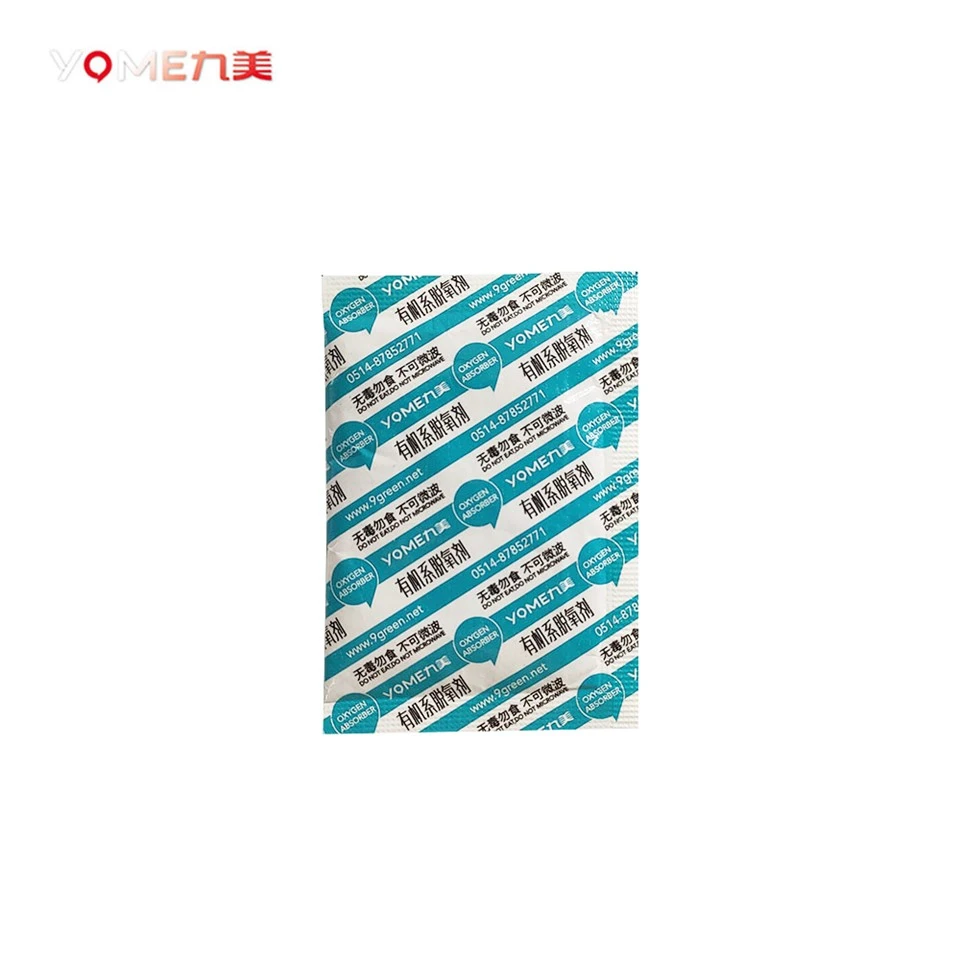
O2 absorbers are small packets or sachets filled with substances that have the ability to react with oxygen. The main function of these absorbers is to remove oxygen from the packaging environment, thereby reducing the risk of oxidation, mold growth, and spoilage of food products. They are widely used in the food industry to extend the shelf - life of a variety of food items, including snacks, grains, and dried fruits.
The most common types of O2 absorbers contain iron powder, which reacts with oxygen in the presence of moisture to form iron oxide. Other substances such as ascorbic acid and enzymes can also be used as oxygen - absorbing agents. These absorbers are designed to be safe for use in food packaging as long as they are properly enclosed in a sachet and do not come into direct contact with the food.
The Importance of Oxygen Control in Baby Food
Baby food is a highly sensitive product. Infants have immature immune systems, and their food needs to be of the highest quality to ensure their health and well - being. Oxygen can cause a variety of problems in baby food, such as:
- Oxidation of Nutrients: Oxygen can react with vitamins, minerals, and fatty acids in baby food, leading to the degradation of these essential nutrients. For example, vitamin C is easily oxidized in the presence of oxygen, reducing its bioavailability and nutritional value.
- Mold and Bacteria Growth: Oxygen provides a favorable environment for the growth of mold and bacteria. In baby food, the presence of these microorganisms can pose a serious health risk to infants.
- Rancidity: In baby food containing fats, oxygen can cause the fats to become rancid, resulting in an unpleasant odor and taste.
By using O2 absorbers, we can effectively reduce the oxygen level in the packaging of baby food, thereby minimizing these risks and maintaining the quality and safety of the product.
Safety Considerations for Using O2 Absorbers in Baby Food
While O2 absorbers can offer significant benefits in preserving baby food, safety is of utmost importance. Here are some key safety considerations:
- Proper Enclosure: The O2 absorbers must be properly enclosed in a sachet that is made of food - grade materials. The sachet should be strong enough to prevent the contents from leaking into the baby food. For example, our Yome - I Oxygen Absorber with Oxygen Indicator is enclosed in a high - quality sachet that meets strict food safety standards.
- Labeling: The packaging of baby food should clearly indicate the presence of O2 absorbers and include appropriate warnings. Parents and caregivers need to be aware that the absorber is not a part of the food and should not be consumed.
- Compatibility: The O2 absorber should be compatible with the baby food product. Some baby foods may have specific characteristics, such as high moisture content or acidic pH, which can affect the performance of the absorber. Our company offers a range of O2 absorbers, including Oxygen Absorbers for Quart Jars and Yome - C Double Effect Oxygen Absorbers, which can be selected based on the specific requirements of the baby food.
Regulatory Considerations
In many countries, the use of O2 absorbers in food packaging is regulated. Before using O2 absorbers in baby food, it is essential to comply with all relevant regulations. These regulations typically cover aspects such as the composition of the absorber, the safety of the sachet material, and the labeling requirements.
For example, in the United States, the Food and Drug Administration (FDA) has specific guidelines for food packaging materials, including O2 absorbers. Manufacturers must ensure that their products meet these guidelines to ensure the safety of consumers, especially infants.

Case Studies and Research
There have been several studies on the use of O2 absorbers in food preservation. While there is limited specific research on baby food, studies on other food products have shown the effectiveness of O2 absorbers in extending shelf - life and maintaining quality.
For instance, a study on the preservation of dried fruits found that the use of O2 absorbers significantly reduced the oxidation of vitamins and the growth of mold. Similar results can be expected in baby food, as the basic principles of oxygen - induced degradation are the same.
Conclusion
In conclusion, O2 absorbers can be used in baby food as long as proper safety and regulatory requirements are met. They offer a valuable solution for controlling oxygen levels in the packaging, which can help preserve the nutritional value, safety, and quality of baby food.
As a supplier of O2 absorbers in food, we are committed to providing high - quality products that meet the strictest safety standards. Our range of O2 absorbers, including Yome - I Oxygen Absorber with Oxygen Indicator, Oxygen Absorbers for Quart Jars, and Yome - C Double Effect Oxygen Absorbers, are designed to be suitable for a variety of food applications, including baby food.
If you are a baby food manufacturer or distributor interested in using our O2 absorbers to improve the quality and shelf - life of your products, we encourage you to contact us for more information and to discuss your specific requirements. We look forward to the opportunity to work with you and contribute to the safety and well - being of infants.
References
- Smith, J. (2018). Oxygen Absorbers in Food Packaging: A Review. Journal of Food Science and Technology, 45(3), 234 - 241.
- Johnson, A. (2019). The Impact of Oxygen on Nutrient Degradation in Food. Food Chemistry, 278, 125 - 132.
- FDA. (2020). Guidelines for Food Packaging Materials. Retrieved from [FDA official website].