

As a supplier of Food Safe Oxygen Absorbers, I often receive inquiries from customers about the suitability of using our products for various types of food storage, including powdered milk. In this blog post, I will delve into the science behind oxygen absorbers, their benefits for powdered milk storage, and how to use them effectively.
The Science Behind Oxygen Absorbers
Oxygen absorbers are small packets that contain iron powder and other components. When exposed to oxygen, the iron powder undergoes an oxidation reaction, which consumes oxygen and reduces the oxygen level inside the storage container. This process helps to prevent the growth of aerobic microorganisms, such as mold and bacteria, and slows down the oxidation of fats and oils, which can cause rancidity and off-flavors in food.
There are two main types of oxygen absorbers: dried type and with indicators. Our Yome-D Dried Type Oxygen Absorbers are designed to absorb oxygen in a dry environment, making them suitable for storing dry foods like powdered milk. On the other hand, our Yome-I Oxygen Absorber with Indicators contain a color-changing indicator that shows when the oxygen absorber has reached its capacity and needs to be replaced.
Benefits of Using Oxygen Absorbers for Powdered Milk Storage
Powdered milk is a popular dairy product that has a long shelf life when stored properly. However, it is still susceptible to spoilage and degradation due to the presence of oxygen, moisture, and light. Here are some of the benefits of using oxygen absorbers for powdered milk storage:
Extended Shelf Life
By reducing the oxygen level inside the storage container, oxygen absorbers can significantly extend the shelf life of powdered milk. This is because oxygen is one of the main factors that contribute to the oxidation of fats and proteins in milk, which can lead to the development of off-flavors, odors, and nutritional losses. With oxygen absorbers, you can keep your powdered milk fresh and flavorful for longer periods.
Preservation of Nutritional Value
Powdered milk is a rich source of nutrients, including protein, calcium, vitamin D, and other essential vitamins and minerals. However, these nutrients can be easily destroyed by oxidation and other chemical reactions. Oxygen absorbers help to preserve the nutritional value of powdered milk by creating an oxygen-free environment that slows down these reactions. This ensures that your powdered milk retains its nutritional integrity and provides you with the same health benefits as fresh milk.
Prevention of Mold and Bacteria Growth
Mold and bacteria thrive in environments with high oxygen levels and moisture. By removing oxygen from the storage container, oxygen absorbers create an inhospitable environment for these microorganisms, reducing the risk of mold and bacteria growth. This helps to keep your powdered milk safe and free from harmful contaminants.
Protection Against Rancidity
Powdered milk contains fats and oils that can become rancid when exposed to oxygen. Rancidity not only affects the taste and smell of the milk but also reduces its nutritional value. Oxygen absorbers help to prevent rancidity by removing oxygen from the storage container, which slows down the oxidation of fats and oils. This ensures that your powdered milk remains fresh and palatable for longer periods.
How to Use Oxygen Absorbers for Powdered Milk Storage
Using oxygen absorbers for powdered milk storage is a simple and effective way to keep your milk fresh and safe. Here are the steps to follow:
Step 1: Choose the Right Oxygen Absorber
The first step is to choose the right oxygen absorber for your powdered milk storage needs. The size and capacity of the oxygen absorber you need will depend on the volume of the storage container and the amount of oxygen you want to remove. As a general rule, you should use one oxygen absorber for every 1-2 pounds of powdered milk.
Step 2: Prepare the Storage Container
Next, you need to prepare the storage container for use. Make sure the container is clean, dry, and airtight. You can use a variety of containers for storing powdered milk, including plastic bags, glass jars, and metal cans. Just make sure that the container has a tight-fitting lid or seal to prevent oxygen from entering.

Step 3: Add the Oxygen Absorber
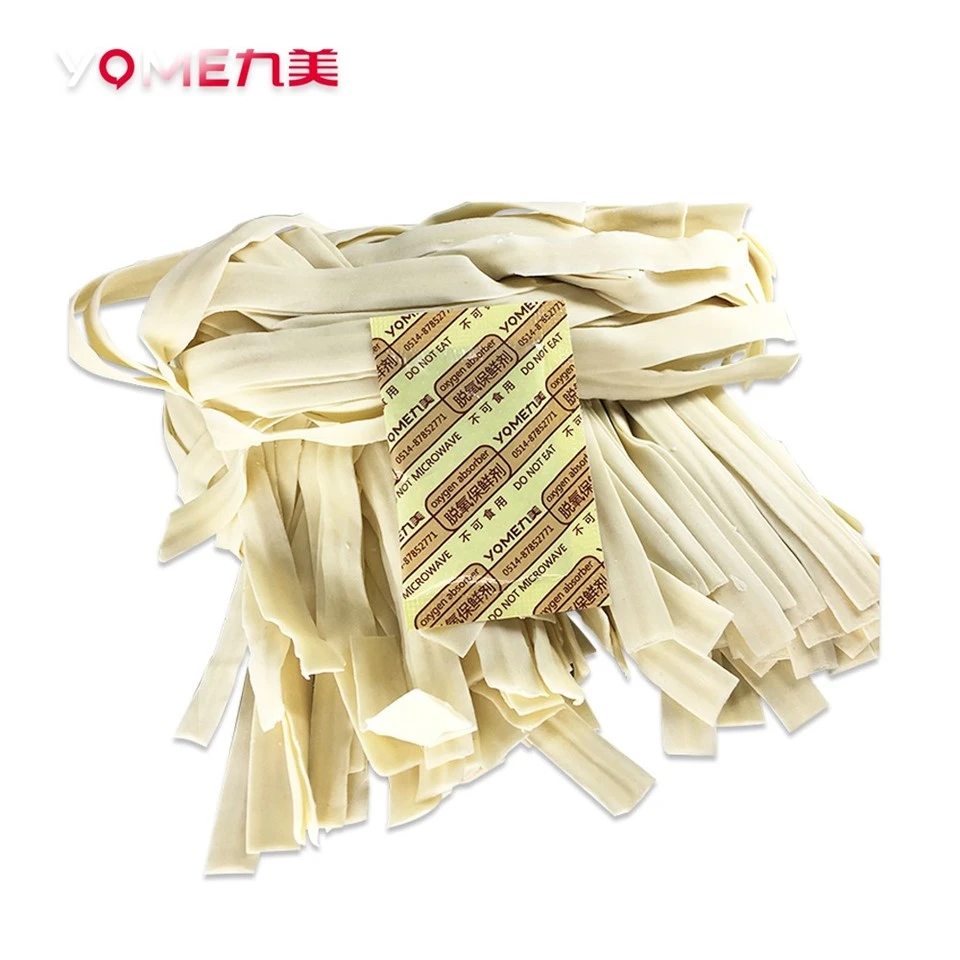
Once you have prepared the storage container, it's time to add the oxygen absorber. Simply place the oxygen absorber inside the container along with the powdered milk. Make sure the oxygen absorber is not in direct contact with the milk to avoid any contamination.
Step 4: Seal the Container
After adding the oxygen absorber, seal the container tightly to prevent oxygen from entering. You can use a heat sealer, a zip-lock bag, or a rubber gasket to seal the container. Make sure the seal is airtight to ensure maximum effectiveness of the oxygen absorber.
Step 5: Store the Container
Finally, store the sealed container in a cool, dry place away from direct sunlight and heat. This will help to maintain the quality and freshness of the powdered milk for longer periods. You can also label the container with the date of storage to keep track of its shelf life.
Considerations and Precautions
While oxygen absorbers are generally safe and effective for powdered milk storage, there are some considerations and precautions you should keep in mind:
Do Not Eat the Oxygen Absorber
Oxygen absorbers are not intended for consumption and should never be eaten. They contain iron powder and other chemicals that can be harmful if ingested. Make sure to keep the oxygen absorbers out of reach of children and pets.
Use Fresh Oxygen Absorbers
Oxygen absorbers have a limited shelf life and will lose their effectiveness over time. Make sure to use fresh oxygen absorbers that are within their expiration date. You can check the expiration date on the packaging of the oxygen absorber.
Monitor the Oxygen Level
If you are using oxygen absorbers with indicators, you can monitor the oxygen level inside the storage container by checking the color of the indicator. If the indicator has changed color, it means that the oxygen absorber has reached its capacity and needs to be replaced.
Follow the Manufacturer's Instructions
Always follow the manufacturer's instructions when using oxygen absorbers. Different brands and types of oxygen absorbers may have different usage instructions and precautions. Make sure to read the instructions carefully before using the oxygen absorbers.
Conclusion
In conclusion, food safe oxygen absorbers can be a valuable tool for powdered milk storage. They offer a simple and effective way to extend the shelf life, preserve the nutritional value, and prevent spoilage of powdered milk. By following the steps outlined in this blog post and taking the necessary precautions, you can ensure that your powdered milk remains fresh and safe for consumption.
If you are interested in purchasing our Food Safe Oxygen Absorbers for powdered milk storage or other food storage applications, please feel free to contact us for more information. We are a leading supplier of high-quality oxygen absorbers and can provide you with the products and support you need to keep your food fresh and safe.
References
- "Food Packaging: Principles and Practice" by Yam, K. L., Takhistov, P. T., & Miltz, J.
- "Oxygen Absorbers: A Review" by Rooney, M. L.
- "The Science of Food Preservation" by Gould, G. W.