

Can CO2 absorbers be used in aircraft cabins?
As a supplier of CO2 absorbers, I've often been asked about the potential applications of our products in various environments. One question that has come up frequently is whether CO2 absorbers can be used in aircraft cabins. In this blog post, I'll explore this topic in detail, examining the science behind CO2 absorption, the unique challenges of aircraft cabins, and the potential benefits and limitations of using CO2 absorbers in this setting.
The Science of CO2 Absorption
Before delving into the specific application of CO2 absorbers in aircraft cabins, it's important to understand the basic principles of CO2 absorption. CO2 absorbers are materials that are designed to react with carbon dioxide gas and remove it from the surrounding air. There are several types of CO2 absorbers available, each with its own unique properties and mechanisms of action.
One of the most common types of CO2 absorbers is activated carbon. Activated carbon is a porous material that has a large surface area, which allows it to adsorb CO2 molecules onto its surface. Another type of CO2 absorber is a chemical absorbent, such as soda lime or lithium hydroxide. These materials react with CO2 to form a solid compound, effectively removing the gas from the air.
The Challenges of Aircraft Cabins
Aircraft cabins present a unique set of challenges when it comes to maintaining a healthy and comfortable environment for passengers and crew. One of the main challenges is the limited supply of fresh air. Due to the high altitude and the need to maintain cabin pressure, aircraft cabins rely on a recirculation system to provide a continuous supply of air. This means that the same air is recycled multiple times, which can lead to a buildup of pollutants, including CO2.
In addition to the limited supply of fresh air, aircraft cabins are also subject to a number of other factors that can affect air quality. These include the presence of passengers and crew, the use of electronic devices, and the release of chemicals from cleaning products and other sources. All of these factors can contribute to the buildup of CO2 and other pollutants in the cabin air.
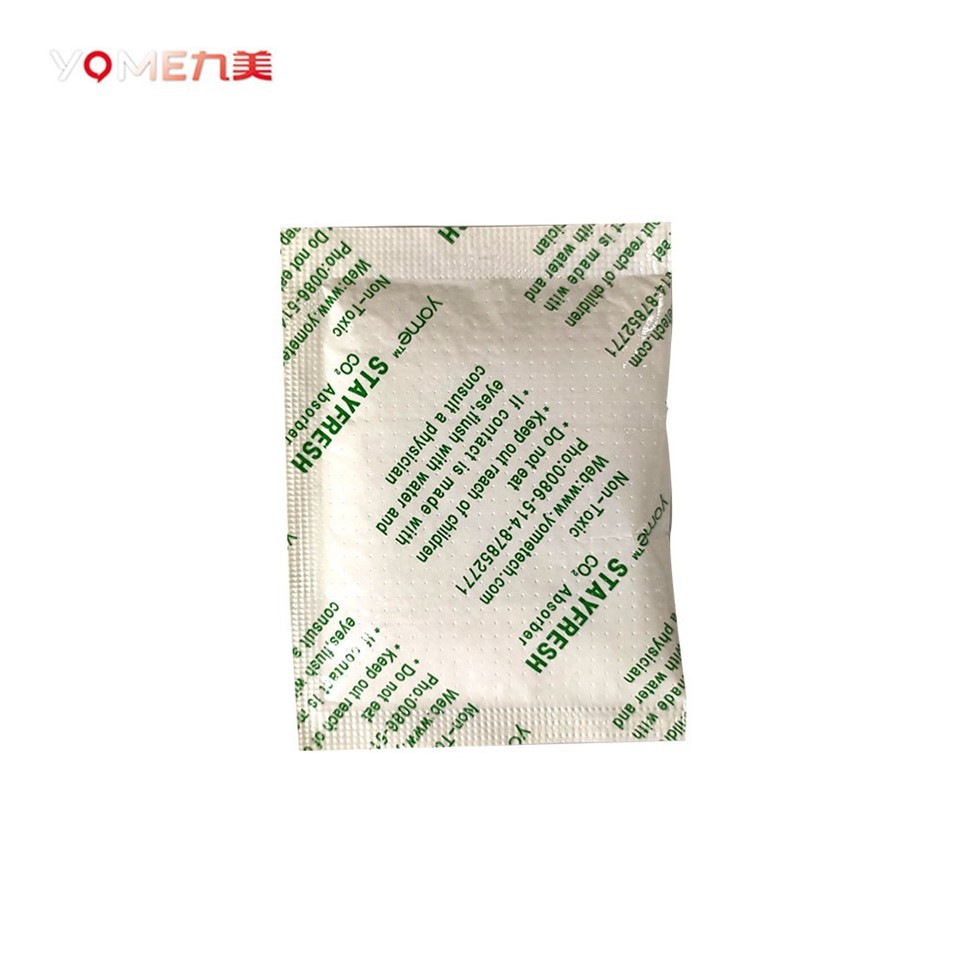

The Potential Benefits of Using CO2 Absorbers in Aircraft Cabins
Despite the challenges of aircraft cabins, there are several potential benefits to using CO2 absorbers in this setting. One of the main benefits is the ability to reduce the concentration of CO2 in the cabin air. High levels of CO2 can cause a number of symptoms, including headaches, dizziness, fatigue, and difficulty concentrating. By removing CO2 from the air, CO2 absorbers can help to improve the comfort and well-being of passengers and crew.
Another potential benefit of using CO2 absorbers in aircraft cabins is the ability to reduce the need for fresh air. As mentioned earlier, aircraft cabins rely on a recirculation system to provide a continuous supply of air. By using CO2 absorbers to remove CO2 from the recirculated air, the amount of fresh air that needs to be introduced into the cabin can be reduced. This can help to save energy and reduce the environmental impact of air travel.
The Limitations of Using CO2 Absorbers in Aircraft Cabins
While there are several potential benefits to using CO2 absorbers in aircraft cabins, there are also some limitations that need to be considered. One of the main limitations is the size and weight of the CO2 absorbers. In order to be effective, CO2 absorbers need to have a large surface area and a high capacity for CO2 absorption. This means that they can be relatively large and heavy, which can be a challenge in the limited space of an aircraft cabin.
Another limitation of using CO2 absorbers in aircraft cabins is the need for regular maintenance and replacement. CO2 absorbers have a limited lifespan, and they need to be replaced periodically in order to maintain their effectiveness. This can be a time-consuming and costly process, especially in a commercial airline setting.
Conclusion
In conclusion, the use of CO2 absorbers in aircraft cabins is a complex issue that requires careful consideration of the potential benefits and limitations. While there are several potential benefits to using CO2 absorbers in this setting, including the ability to reduce the concentration of CO2 in the cabin air and the need for fresh air, there are also some limitations that need to be addressed. These include the size and weight of the CO2 absorbers, the need for regular maintenance and replacement, and the potential impact on the overall performance of the aircraft.
As a supplier of CO2 absorbers, we are committed to working with airlines and other stakeholders to develop innovative solutions that can help to improve the air quality in aircraft cabins. We believe that by combining our expertise in CO2 absorption technology with the latest research and development in the aviation industry, we can develop products that are both effective and practical for use in aircraft cabins.
If you are interested in learning more about our CO2 absorbers and their potential applications in aircraft cabins, please don't hesitate to contact us. We would be happy to discuss your specific needs and requirements and to provide you with more information about our products and services.
References
- Link text: CO2 Absorbers for Fresh Vegetable
- International Civil Aviation Organization (ICAO). (2016). Manual on Cabin Air Quality.
- Federal Aviation Administration (FAA). (2018). Advisory Circular 25-13. Environmental Control Systems and Equipment for Airplanes.
- National Aeronautics and Space Administration (NASA). (2019). Carbon Dioxide Removal System for Spacecraft.