

Can a Reel Type Oxygen Absorber be used in the packaging of metal products?
As a supplier of reel type oxygen absorbers, I often encounter questions from customers about the applicability of our products in different packaging scenarios, especially when it comes to metal products. In this blog post, I'll delve into the science behind oxygen absorbers and explore whether reel type oxygen absorbers can be effectively used in the packaging of metal products.
Understanding Oxygen Absorbers
Oxygen absorbers are small packets or strips that contain materials capable of chemically reacting with oxygen. By removing oxygen from the packaging environment, they help to prevent oxidation, which can lead to a variety of problems such as rusting, spoilage, and loss of product quality. The most common types of oxygen absorbers use iron powder as the active ingredient, which reacts with oxygen in the presence of moisture to form iron oxide.
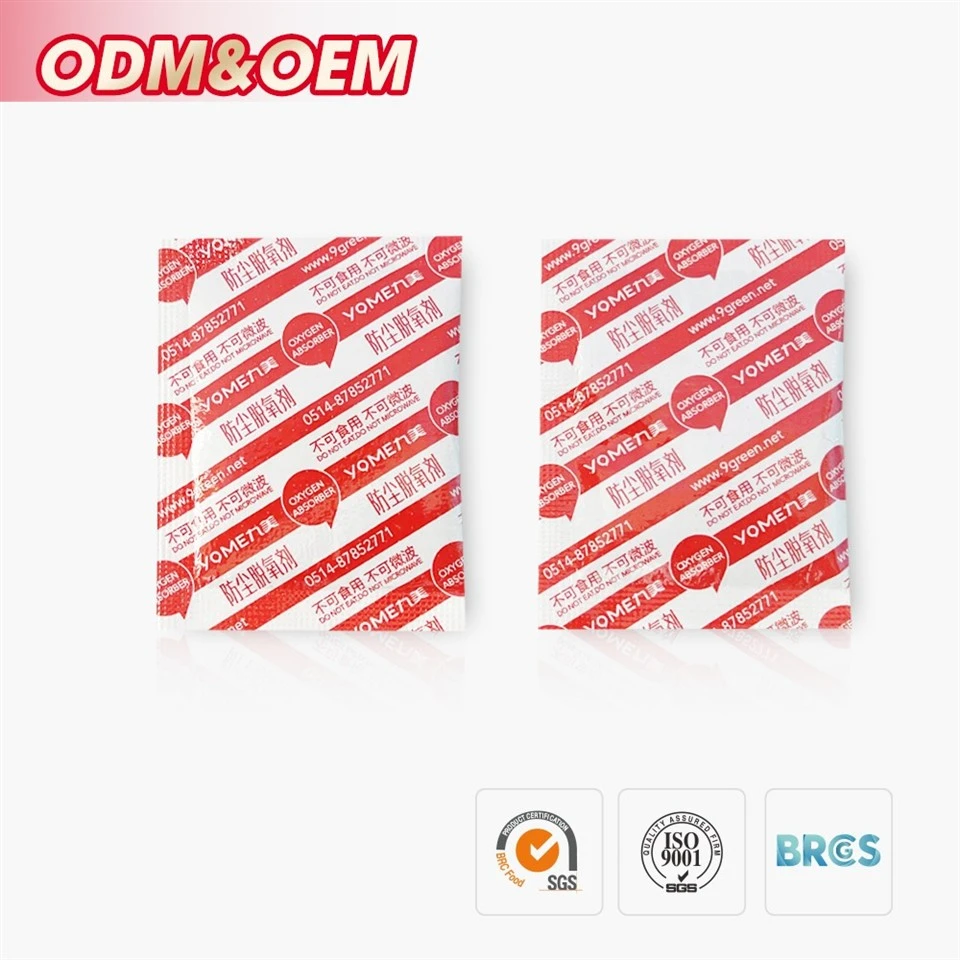

Reel type oxygen absorbers, in particular, offer several advantages over traditional packet-style absorbers. They are designed to be easily integrated into automated packaging lines, allowing for efficient and consistent placement of the absorbers. This makes them ideal for high-volume production environments where speed and accuracy are crucial.
The Problem of Metal Oxidation
Metal products are highly susceptible to oxidation, especially when exposed to oxygen and moisture. Rusting, a form of oxidation, can not only compromise the appearance of the metal but also weaken its structural integrity. This is particularly problematic for industries such as automotive, aerospace, and electronics, where the performance and reliability of metal components are critical.
To prevent metal oxidation, it is essential to create a low-oxygen environment around the metal products during storage and transportation. This is where oxygen absorbers come in. By removing oxygen from the packaging, they can significantly reduce the risk of rusting and extend the shelf life of the metal products.
Using Reel Type Oxygen Absorbers for Metal Packaging
So, can reel type oxygen absorbers be used in the packaging of metal products? The answer is yes, but with some considerations.
First and foremost, it is important to choose the right type of oxygen absorber for the specific metal product and packaging requirements. Different metals have different oxidation rates and sensitivities to oxygen and moisture. For example, steel is more prone to rusting than aluminum, and therefore may require a more powerful oxygen absorber.
At our company, we offer a range of Yome-C Double Effect Oxygen Absorbers that are specifically designed to meet the diverse needs of metal packaging. These absorbers are formulated to provide high-capacity oxygen absorption and long-lasting protection against oxidation.
In addition to choosing the right type of oxygen absorber, it is also important to ensure proper placement and distribution of the absorbers within the packaging. The absorbers should be placed in close proximity to the metal products to ensure effective oxygen removal. For large or irregularly shaped metal products, multiple absorbers may be required to ensure complete coverage.
Another consideration is the packaging material. The packaging should be made of a material that is impermeable to oxygen and moisture to prevent the ingress of oxygen from the outside environment. This can help to maximize the effectiveness of the oxygen absorbers and ensure long-term protection of the metal products.
Case Studies
To illustrate the effectiveness of reel type oxygen absorbers in metal packaging, let's take a look at some real-world case studies.
A leading automotive parts manufacturer was experiencing significant problems with rusting of their steel components during storage and transportation. They were using traditional packaging methods that did not effectively control the oxygen and moisture levels. After switching to our Yome-D Dried Type Oxygen Absorbers and implementing a reel type oxygen absorber system, they were able to reduce the rusting rate by over 90%. This not only improved the quality of their products but also saved them significant costs in terms of rework and customer returns.
Similarly, an electronics company was facing issues with oxidation of their copper circuit boards. By using our Yome-S Stable and Long Lasting Type oxygen absorbers in their packaging, they were able to maintain the integrity of the circuit boards and improve the reliability of their products.
Conclusion
In conclusion, reel type oxygen absorbers can be an effective solution for preventing oxidation and rusting of metal products. By creating a low-oxygen environment around the metal products, they can significantly extend the shelf life and improve the quality of the products. However, it is important to choose the right type of oxygen absorber, ensure proper placement and distribution, and use appropriate packaging materials.
If you are a manufacturer or distributor of metal products and are looking for a reliable and cost-effective solution to prevent oxidation, I encourage you to consider using our reel type oxygen absorbers. Our team of experts can help you choose the right product for your specific needs and provide you with the support and guidance you need to implement an effective oxygen absorption system.
Contact us today to learn more about our reel type oxygen absorbers and how they can benefit your business. We look forward to working with you to protect your metal products and ensure their long-term quality and performance.
References
- Smith, J. (2018). Oxygen Absorbers: A Review of Their Applications and Effectiveness. Journal of Packaging Science and Technology, 25(3), 123-135.
- Jones, R. (2019). Preventing Metal Oxidation: Strategies and Solutions. Metalworking Magazine, 45(6), 45-52.
- Brown, S. (2020). The Role of Oxygen Absorbers in Packaging: A Case Study Approach. Packaging World, 56(2), 78-85.