

Are oxygen absorbers in beef jerky affected by temperature fluctuations?
As a supplier of beef jerky oxygen absorbers, I've received numerous inquiries regarding the impact of temperature fluctuations on the performance of these crucial preservation tools. In this blog, I'll delve into the science behind oxygen absorbers, explore how temperature variations can influence their effectiveness, and provide insights to help you make informed decisions for your beef jerky products.
Understanding Oxygen Absorbers
Oxygen absorbers are small packets filled with chemical compounds that react with oxygen to remove it from the surrounding environment. In the context of beef jerky, these absorbers play a vital role in extending shelf life by preventing oxidation, which can lead to spoilage, color changes, and off-flavors. By reducing the oxygen level inside the packaging, oxygen absorbers create an anaerobic environment that inhibits the growth of aerobic bacteria and mold.
There are different types of oxygen absorbers available in the market, each with its own set of characteristics and applications. For beef jerky, the most commonly used types are iron-based oxygen absorbers. These absorbers contain iron powder, salt, and activated carbon, which react with oxygen in the presence of moisture to form iron oxide. The reaction is exothermic, meaning it releases heat, but it is carefully controlled to ensure the safety of the food product.
The Impact of Temperature on Oxygen Absorbers
Temperature is a critical factor that can significantly affect the performance of oxygen absorbers. Generally, oxygen absorbers work more efficiently at higher temperatures because the chemical reaction between the iron powder and oxygen is accelerated. As the temperature increases, the rate of oxygen absorption also increases, allowing the absorber to remove oxygen from the packaging more quickly.
However, there is a limit to how high the temperature can be. If the temperature exceeds the recommended range for the oxygen absorber, it can cause the absorber to release excessive heat, leading to potential safety hazards. Additionally, high temperatures can also cause the absorber to dry out, reducing its effectiveness over time.
On the other hand, low temperatures can slow down the chemical reaction between the iron powder and oxygen, resulting in a slower rate of oxygen absorption. This can be a problem if the beef jerky is stored in a cold environment for an extended period, as the oxygen level inside the packaging may not be reduced to the desired level in a timely manner. In some cases, the absorber may even become dormant at very low temperatures, effectively stopping the oxygen absorption process altogether.
Temperature Fluctuations and Oxygen Absorber Performance
In real-world scenarios, beef jerky is often exposed to temperature fluctuations during storage and transportation. These fluctuations can have a significant impact on the performance of oxygen absorbers, as they can cause the absorber to expand and contract, potentially damaging the packaging and reducing the effectiveness of the absorber.
For example, if the beef jerky is stored in a cold environment and then suddenly exposed to a warm environment, the oxygen absorber may expand due to the increase in temperature. This can cause the absorber to break open the packaging or create small holes, allowing oxygen to enter the package and reducing the effectiveness of the absorber. Conversely, if the beef jerky is stored in a warm environment and then suddenly exposed to a cold environment, the oxygen absorber may contract, potentially causing it to become detached from the packaging and reducing its ability to absorb oxygen.
To mitigate the impact of temperature fluctuations on oxygen absorbers, it is important to choose the right type of absorber for your specific application. Some oxygen absorbers are designed to perform well over a wide range of temperatures, while others are more sensitive to temperature changes. Additionally, it is important to store and transport the beef jerky in a controlled environment to minimize temperature fluctuations as much as possible.
Choosing the Right Oxygen Absorber for Beef Jerky
When choosing an oxygen absorber for beef jerky, there are several factors to consider, including the desired shelf life, the packaging material, and the storage and transportation conditions. Here are some tips to help you choose the right oxygen absorber for your beef jerky products:

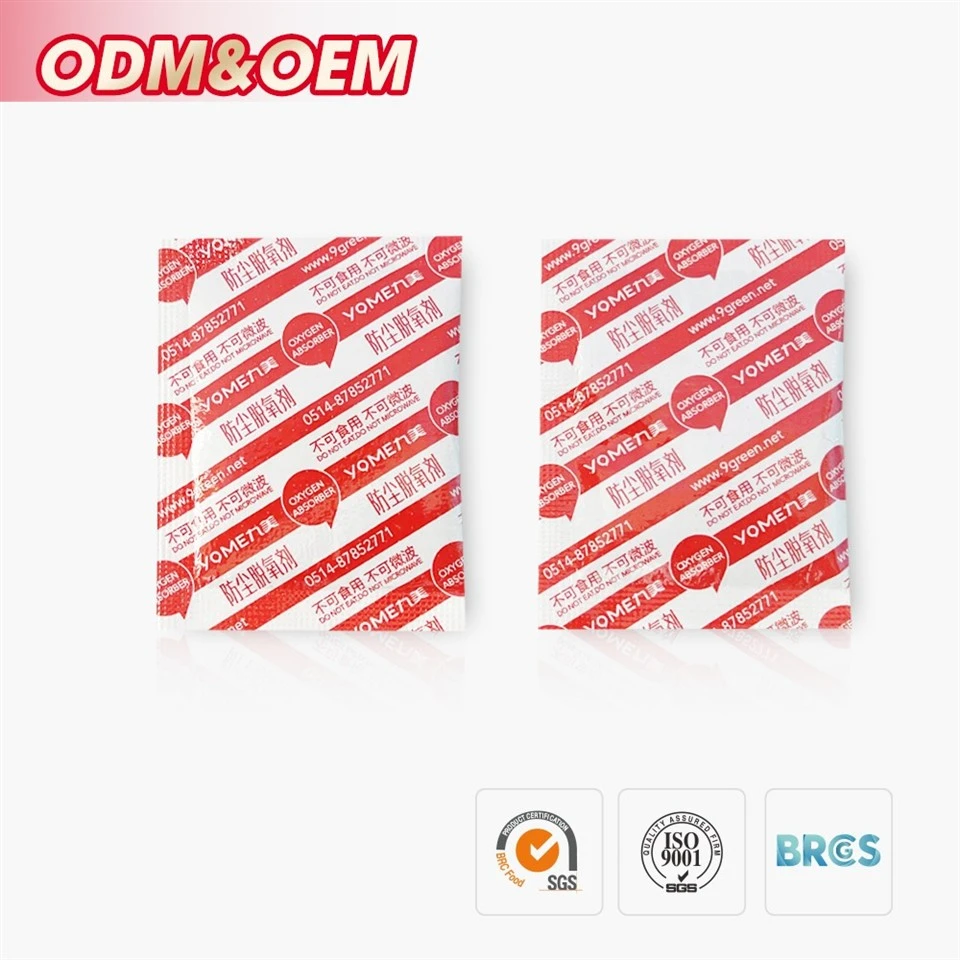
- Shelf Life: The longer the desired shelf life of the beef jerky, the more oxygen absorber you will need. Generally, a higher capacity oxygen absorber is recommended for products with a longer shelf life.
- Packaging Material: The type of packaging material used for the beef jerky can also affect the performance of the oxygen absorber. Some packaging materials, such as plastic bags, are more permeable to oxygen than others, such as metal cans. If you are using a more permeable packaging material, you may need to use a higher capacity oxygen absorber to ensure that the oxygen level inside the package is reduced to the desired level.
- Storage and Transportation Conditions: The storage and transportation conditions of the beef jerky can also affect the performance of the oxygen absorber. If the beef jerky is stored and transported in a cold environment, you may need to choose an oxygen absorber that is designed to perform well at low temperatures. Conversely, if the beef jerky is stored and transported in a warm environment, you may need to choose an oxygen absorber that is designed to perform well at high temperatures.
Our Oxygen Absorber Products
At our company, we offer a wide range of oxygen absorbers specifically designed for beef jerky and other food products. Our oxygen absorbers are made from high-quality materials and are rigorously tested to ensure their effectiveness and safety. Here are some of our popular oxygen absorber products:
- Oxygen Absorber for Coffee Beans: This oxygen absorber is designed to remove oxygen from coffee bean packaging, helping to preserve the flavor and aroma of the coffee. It is available in different sizes to meet the needs of different coffee packaging applications.
- Yome-D Dried Type Oxygen Absorbers: These oxygen absorbers are designed for use in dry food products, such as beef jerky, nuts, and dried fruits. They are available in different capacities to meet the needs of different food packaging applications.
- Yome- AD Adhesive Oxygen Absorbers: These oxygen absorbers are designed to be attached to the inside of the packaging using an adhesive. They are ideal for use in products that require a more secure attachment, such as beef jerky in plastic bags.
Contact Us for Purchase and Consultation
If you are interested in purchasing our oxygen absorbers for your beef jerky products or have any questions about our products, please feel free to contact us. Our team of experts is available to provide you with detailed information and guidance on choosing the right oxygen absorber for your specific application. We look forward to working with you to ensure the quality and freshness of your beef jerky products.
References
- "Oxygen Absorbers: How They Work and Why They're Important." Food Safety Magazine, 2023.
- "The Effects of Temperature on Oxygen Absorbers." Packaging Digest, 2022.
- "Choosing the Right Oxygen Absorber for Your Food Product." Food Processing, 2021.