

Tropical climates are characterized by high temperatures and high humidity levels throughout the year. These conditions can pose significant challenges for various industries, especially those dealing with moisture - sensitive products. As a supplier of Clay Desiccants, I often get asked whether clay desiccants are suitable for tropical climates. In this blog, I'll delve into the properties of clay desiccants and evaluate their effectiveness in tropical environments.
Understanding Tropical Climates
Tropical regions typically have average temperatures ranging from 25°C to 35°C, with relative humidity often exceeding 70%. This combination of heat and moisture creates an ideal breeding ground for mold, mildew, and corrosion. For businesses, this means that products stored or transported in these areas are at a high risk of damage due to excess moisture. From electronics to food products, the impact of humidity can be detrimental, leading to product degradation, reduced shelf - life, and even safety hazards.
What Are Clay Desiccants?
Clay desiccants are made from natural clay minerals, usually montmorillonite. They work by adsorbing moisture from the surrounding air through a process called adsorption. The porous structure of clay provides a large surface area for water molecules to adhere to. When placed in an enclosed space, clay desiccants attract and hold water vapor, reducing the relative humidity within that space.
One of the key advantages of clay desiccants is their cost - effectiveness. They are relatively inexpensive to produce compared to other types of desiccants, such as Silical Gel Desiccant. Additionally, clay desiccants are non - toxic and environmentally friendly, making them a popular choice for many applications.

Performance of Clay Desiccants in Tropical Climates
Absorption Capacity
In tropical climates, the high humidity levels mean that desiccants need to have a high absorption capacity. Clay desiccants can absorb up to 15 - 20% of their weight in water under normal conditions. However, in extremely humid tropical environments, their absorption capacity may be slightly reduced. The high temperature can also affect the rate of adsorption. At higher temperatures, the kinetic energy of water molecules increases, which can make it a bit more difficult for the clay desiccant to hold onto them.
Long - term Effectiveness
For long - term storage in tropical areas, clay desiccants can provide reliable moisture control. They have a slow and steady absorption rate, which means they can maintain a low humidity level over an extended period. This is particularly important for products that need to be stored for months or even years. However, it's important to note that the effectiveness of clay desiccants will gradually decline as they reach their saturation point. Regular monitoring and replacement of desiccants may be necessary to ensure continuous protection.
Compatibility with Products
Clay desiccants are compatible with a wide range of products. They are commonly used in the packaging of electronics, textiles, leather goods, and food products. Since they are non - toxic, they pose no risk of contamination to food items. In tropical climates, where the risk of moisture - related damage is high, using clay desiccants can help preserve the quality of these products.
Comparing Clay Desiccants with Other Desiccants in Tropical Climates
Silica Gel Desiccants
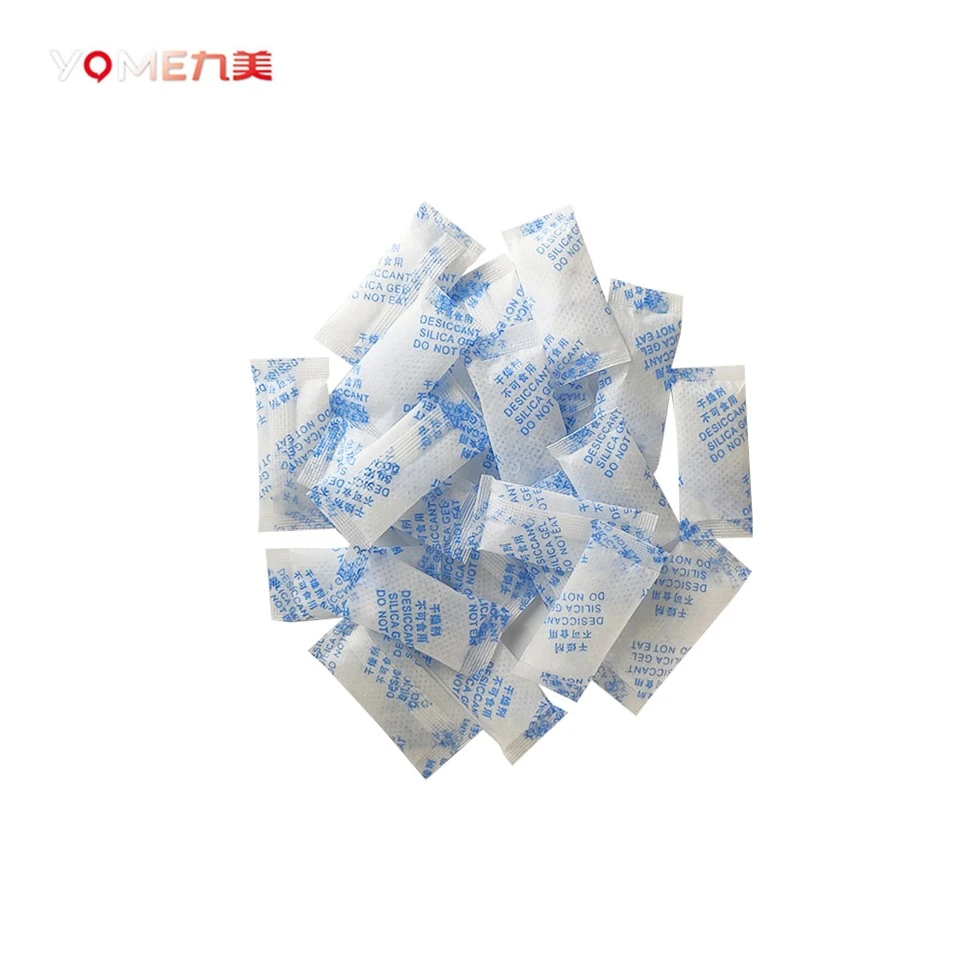
Silical Gel Desiccant is another popular type of desiccant. Silica gel has a higher absorption capacity than clay desiccants, especially at lower humidity levels. However, in tropical climates with high humidity, the difference in performance between silica gel and clay desiccants may not be as significant. Silica gel is also more expensive than clay desiccants, which can be a deciding factor for some businesses.
Moisture & CO₂ Absorption In One Solution
There are desiccants that can absorb both moisture and CO₂. While these products offer a more comprehensive solution, they are often more specialized and costly. For applications where the main concern is moisture control in tropical climates, clay desiccants can be a more practical and cost - effective choice.
Applications of Clay Desiccants in Tropical Climates
Electronics Industry
Electronics are highly sensitive to moisture. In tropical regions, the high humidity can cause corrosion of circuit boards, short - circuits, and reduced performance. Clay desiccants can be placed inside electronic packaging to protect the components from moisture damage. For example, when shipping electronic devices from a manufacturing facility in a tropical country to other parts of the world, using clay desiccants in the packaging can ensure that the products arrive in good condition.
Food Industry
The food industry in tropical climates also benefits from the use of clay desiccants. Excess moisture can lead to the growth of mold and bacteria, spoiling the food products. Clay desiccants can be used in food packaging to extend the shelf - life of products such as dried fruits, nuts, and spices. Since they are non - toxic, they are safe to use in close proximity to food items.
Textile and Leather Industry
Textiles and leather products are prone to mold and mildew growth in humid tropical environments. Clay desiccants can be placed in storage areas or shipping containers to prevent moisture - related damage. They help maintain the quality of the materials, preventing discoloration, odor, and deterioration.
Considerations for Using Clay Desiccants in Tropical Climates
Packaging Design
The packaging design plays an important role in the effectiveness of clay desiccants. The packaging should be as airtight as possible to prevent the entry of outside moisture. If the packaging is not sealed properly, the desiccant will have to work harder to maintain a low humidity level, and its lifespan will be reduced.
Quantity of Desiccants
Determining the right quantity of clay desiccants is crucial. The amount of desiccant needed depends on the size of the enclosed space, the initial humidity level, and the moisture - generating potential of the products inside. In tropical climates, it may be necessary to use a larger quantity of desiccants compared to other regions to account for the high humidity.
Conclusion
In conclusion, clay desiccants can be a suitable option for tropical climates. While they may not have the highest absorption capacity compared to some other desiccants, they offer a cost - effective, non - toxic, and environmentally friendly solution for moisture control. Their long - term effectiveness and compatibility with a wide range of products make them a popular choice for many industries operating in tropical regions.
If you are in an industry that needs reliable moisture control in tropical climates, I encourage you to consider using Clay Desiccants. Our company has a wide range of clay desiccant products to meet your specific needs. Whether you are involved in electronics, food, textiles, or any other moisture - sensitive industry, we can provide you with the right desiccant solution. If you have any questions or would like to discuss your requirements further, please feel free to reach out. We are here to help you protect your products from the damaging effects of humidity in tropical climates.
References
- "Handbook of Desiccants" by John A. Dorgan
- "Moisture Control in Packaging" by the Institute of Packaging Professionals
- Research papers on desiccant performance in high - humidity environments from scientific journals such as the Journal of Chemical Engineering and the International Journal of Moisture and Humidity